“`html
Supply Chain: Navigating Fracture with Automation
The relentless march of global commerce relies heavily on the reference to Supply Chain, an intricate web of processes that bring goods and services from conception to consumer. However, as of January 19, 2026, the whispers of impending supply chain fracture have become a deafening roar. Geopolitical tensions, climate change impacts, and persistent labor shortages are converging to create a perfect storm of disruption. To escape this impending chaos, businesses are increasingly turning towards automated platforms designed to optimize and secure their supply chain operations.
The need for robust and resilient solutions in the supply chain has never been more critical. Organizations are actively seeking methods to bolster their infrastructure against external shocks and streamline internal operations. This drive has fuelled the development and adoption of cutting-edge technologies aimed at ensuring business continuity in a volatile world. Let’s delve deeper into the challenges and opportunities presented by the evolving reference to Supply Chain landscape.
300×250
Key Takeaways
- The global supply chain faces significant challenges, including geopolitical instability and climate change.
- Automated platforms are crucial for mitigating risks and optimizing supply chain operations.
- Real-time visibility and predictive analytics are essential for proactive decision-making.
- Adopting a diversified sourcing strategy enhances resilience against disruptions.
- Investing in talent development and training is critical for leveraging advanced technologies.
Detailed Overview & Historical Context
The concept of a supply chain has evolved dramatically over the centuries. From simple bartering systems to the complex global networks we see today, the underlying principle remains the same: to efficiently deliver goods and services to meet demand. The Industrial Revolution marked a turning point, with mass production and the advent of railroads and steamships extending supply chains beyond local boundaries. The late 20th and early 21st centuries witnessed the rise of globalization, further extending and complicating supply chains. Companies sought cost advantages by sourcing materials and manufacturing goods in countries with lower labor costs, often resulting in intricate and geographically dispersed networks.
However, this increasing complexity also introduced vulnerabilities. Events like the 2011 Thailand floods, the 2020 Suez Canal blockage, and the ongoing geopolitical tensions in Eastern Europe have highlighted the fragility of global supply chains. These disruptions have underscored the need for greater resilience and adaptability. In response, businesses are actively re-evaluating their supply chain strategies, exploring options such as near-shoring, re-shoring, and diversification of suppliers. The year 2026 finds the world grappling with the aftermath of several years of continuous disruptions, pushing automation and advanced analytics to the forefront of supply chain management strategies. The focus has shifted from simply minimizing costs to building robust and adaptable systems capable of weathering unforeseen events.
Comprehensive Benefits & Advantages
Implementing automated platforms in supply chain management offers a wide array of benefits, enabling businesses to operate more efficiently, effectively, and sustainably. These advantages include:

- Enhanced Visibility: Real-time tracking of goods and materials across the entire supply chain, providing a clear picture of inventory levels, transit times, and potential bottlenecks.
- Improved Efficiency: Automation of repetitive tasks, such as order processing, inventory management, and logistics coordination, freeing up human resources for more strategic activities.
- Reduced Costs: Optimization of inventory levels, transportation routes, and warehousing operations, leading to significant cost savings.
- Increased Accuracy: Minimization of human error through automated data entry and analysis, resulting in more accurate forecasting and planning.
- Enhanced Resilience: Improved ability to anticipate and respond to disruptions, enabling businesses to maintain business continuity in the face of unforeseen events.
- Data-Driven Decision Making: Supply Chain Analytics Platform provide insights into supply chain performance, enabling businesses to make informed decisions based on real-time data.
- Better Customer Service: Faster order fulfillment and improved delivery reliability, leading to increased customer satisfaction.
- Sustainability Improvements: Optimized transportation routes and reduced waste, contributing to a more sustainable supply chain.
Pros & Cons
While automated supply chain platforms offer numerous advantages, it’s crucial to consider the potential drawbacks before implementing them.
| Pros | Cons |
|---|---|
| Increased efficiency and productivity | High initial investment costs |
| Reduced operational costs | Potential job displacement due to automation |
| Improved visibility and transparency | Complexity of integration with existing systems |
| Enhanced decision-making capabilities | Dependence on technology and potential for system failures |
| Increased responsiveness to market changes | Need for ongoing maintenance and updates |
Comparative Analysis
Several leading US-based software and service providers offer comprehensive supply chain management solutions. Here’s a comparative analysis of four prominent players in the market:
| Logo | Provider Name | Best For | Key Features | Pricing | Rating |
|---|---|---|---|---|---|
 |
SAP | Large enterprises with complex supply chains | End-to-end supply chain visibility, advanced planning and scheduling, warehouse management, transportation management | Custom pricing based on modules and usage | 4.5/5 |
|
Oracle | Global organizations seeking comprehensive cloud solutions | Supply chain planning, inventory management, order management, logistics management, product lifecycle management | Subscription-based pricing | 4.3/5 |
|
Blue Yonder | Retailers and manufacturers focused on demand forecasting and optimization | Demand planning, inventory optimization, supply planning, transportation management, warehouse management | Custom pricing based on modules and data volume | 4.2/5 |
|
Coupa | Organizations seeking to streamline procurement and supply chain finance | Procurement, invoicing, expense management, supply chain risk management, supply chain finance | Subscription-based pricing | 4.0/5 |
336×280 / Responsive
Professional Solutions & Enterprise Tools
The landscape of professional solutions and enterprise tools for Supply Chain management has expanded significantly. Several key areas are witnessing rapid advancements, offering businesses unprecedented capabilities to optimize their operations.
Supply Chain Management Software
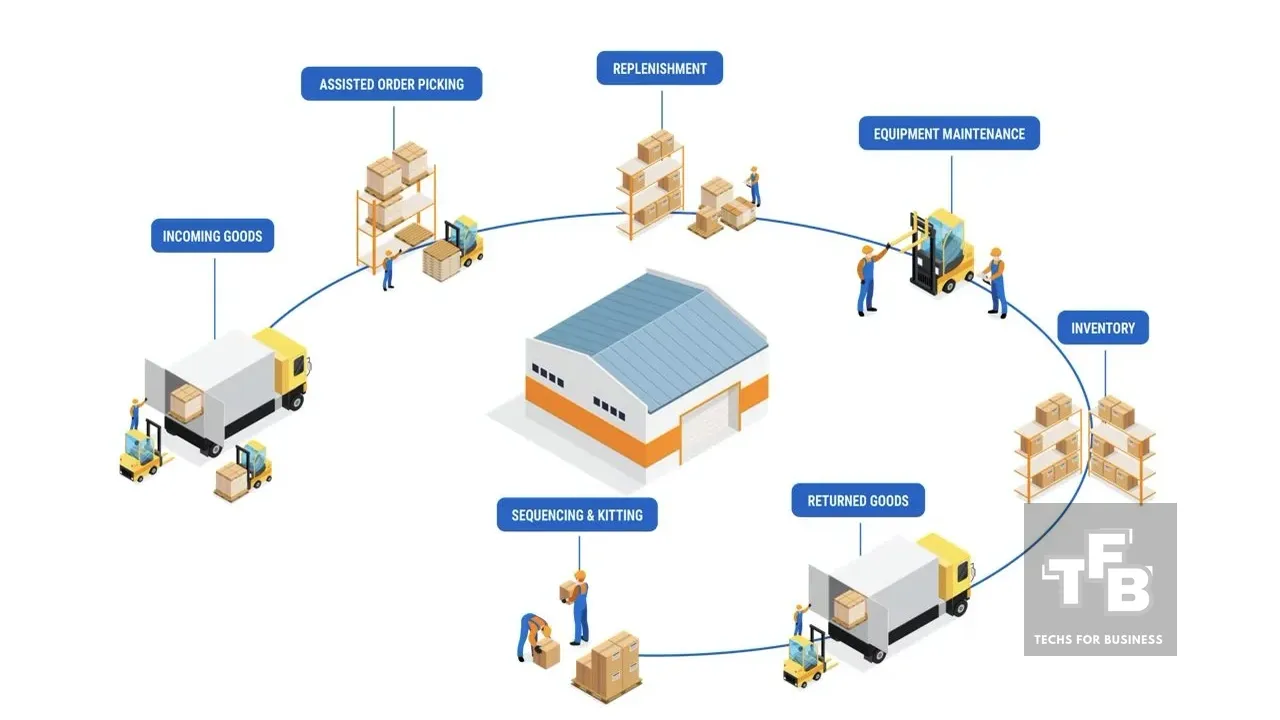
Comprehensive Supply Chain Management Software solutions are designed to integrate all aspects of the supply chain, from planning and sourcing to manufacturing and distribution. These platforms provide end-to-end visibility and control, enabling businesses to streamline their operations, reduce costs, and improve customer service.
Supply Chain Analytics Platform
A powerful Supply Chain Analytics Platform is essential for gaining insights into supply chain performance. These platforms leverage advanced analytics techniques, such as machine learning and artificial intelligence, to identify trends, predict potential disruptions, and optimize decision-making.

Inventory Optimization Solution
Efficient Inventory Optimization Solution helps businesses to minimize inventory holding costs while ensuring that they have enough stock to meet customer demand. These solutions use sophisticated algorithms to forecast demand, optimize inventory levels, and improve inventory turnover.
Logistics Management System
A robust Logistics Management System is critical for managing the movement of goods and materials across the supply chain. These systems automate tasks such as transportation planning, route optimization, and shipment tracking, improving efficiency and reducing costs.
Demand Forecasting Software
Accurate Demand Forecasting Software is essential for effective supply chain planning. These solutions use historical data, market trends, and other factors to predict future demand, enabling businesses to make informed decisions about production, inventory, and capacity planning.
Step-by-Step Implementation Guide
Implementing an automated supply chain platform requires careful planning and execution. Here’s a step-by-step guide to help you get started:
- Assess Your Needs: Identify your specific supply chain challenges and objectives. Determine which processes can benefit most from automation.
- Define Your Requirements: Develop a detailed list of requirements for your automated platform, including features, functionality, and integration capabilities.
- Research and Evaluate Solutions: Explore different supply chain management software and service providers. Compare their offerings based on your requirements and budget.
- Select a Vendor: Choose a vendor that offers a solution that meets your needs and fits your budget. Ensure that the vendor has a proven track record and provides adequate support.
- Develop an Implementation Plan: Create a detailed plan for implementing the automated platform, including timelines, resources, and responsibilities.
- Configure the System: Configure the system to meet your specific needs and integrate it with your existing systems.
- Test the System: Thoroughly test the system to ensure that it is working correctly and that it meets your requirements.
- Train Your Employees: Provide training to your employees on how to use the new system.
- Go Live: Deploy the automated platform and begin using it to manage your supply chain.
- Monitor and Optimize: Continuously monitor the performance of the system and make adjustments as needed to optimize its effectiveness.
Expert Insights & Future Trends
The future of supply chain management is being shaped by several key trends, including:

- Artificial Intelligence and Machine Learning: AI and ML are being used to automate tasks, improve decision-making, and enhance supply chain resilience.
- Blockchain Technology: Blockchain is being used to improve transparency, security, and traceability in supply chains.
- Internet of Things (IoT): IoT devices are being used to collect real-time data on inventory levels, transportation routes, and other supply chain parameters.
- Robotics and Automation: Robots and automated systems are being used to automate tasks in warehouses and distribution centers.
- Sustainability: Businesses are increasingly focused on building sustainable supply chains that minimize environmental impact.
Experts predict that these trends will continue to accelerate in the coming years, transforming the way supply chains are managed. Businesses that embrace these technologies and adapt to the changing landscape will be best positioned to thrive in the future.
Real-World Case Studies
Several companies have successfully implemented automated supply chain platforms to improve their operations. For example:
- A major retail chain implemented a demand forecasting software solution that reduced inventory holding costs by 15% and improved order fulfillment rates by 10%.
- A manufacturing company implemented a logistics management system that optimized transportation routes and reduced transportation costs by 12%.
- A food processing company implemented a blockchain-based system that improved traceability and reduced food safety risks.
These case studies demonstrate the potential of automated supply chain platforms to deliver significant benefits to businesses of all sizes and industries.
Frequently Asked Questions (FAQ)
- What are the biggest challenges facing supply chains today?
Geopolitical instability, climate change, labor shortages, and cybersecurity threats. - How can automation help mitigate these challenges?
By improving visibility, efficiency, and resilience, enabling businesses to respond more quickly to disruptions. - What are the key features of an automated supply chain platform?
Real-time tracking, demand forecasting, inventory optimization, and logistics management. - What is the role of AI and ML in supply chain management?
Automating tasks, improving decision-making, and predicting potential disruptions. - How can businesses ensure the security of their supply chain data?
By implementing robust cybersecurity measures, such as encryption, access controls, and regular security audits.
Conclusion
As of January 19, 2026, the threat of a significant supply chain fracture is very real. The confluence of geopolitical tensions, environmental challenges, and economic uncertainties has created a volatile environment that demands proactive and innovative solutions. Automated platforms offer a powerful means of navigating this chaos, providing businesses with the visibility, efficiency, and resilience they need to thrive. By embracing these technologies and adapting to the evolving landscape, organizations can secure their supply chains and ensure their long-term success.