
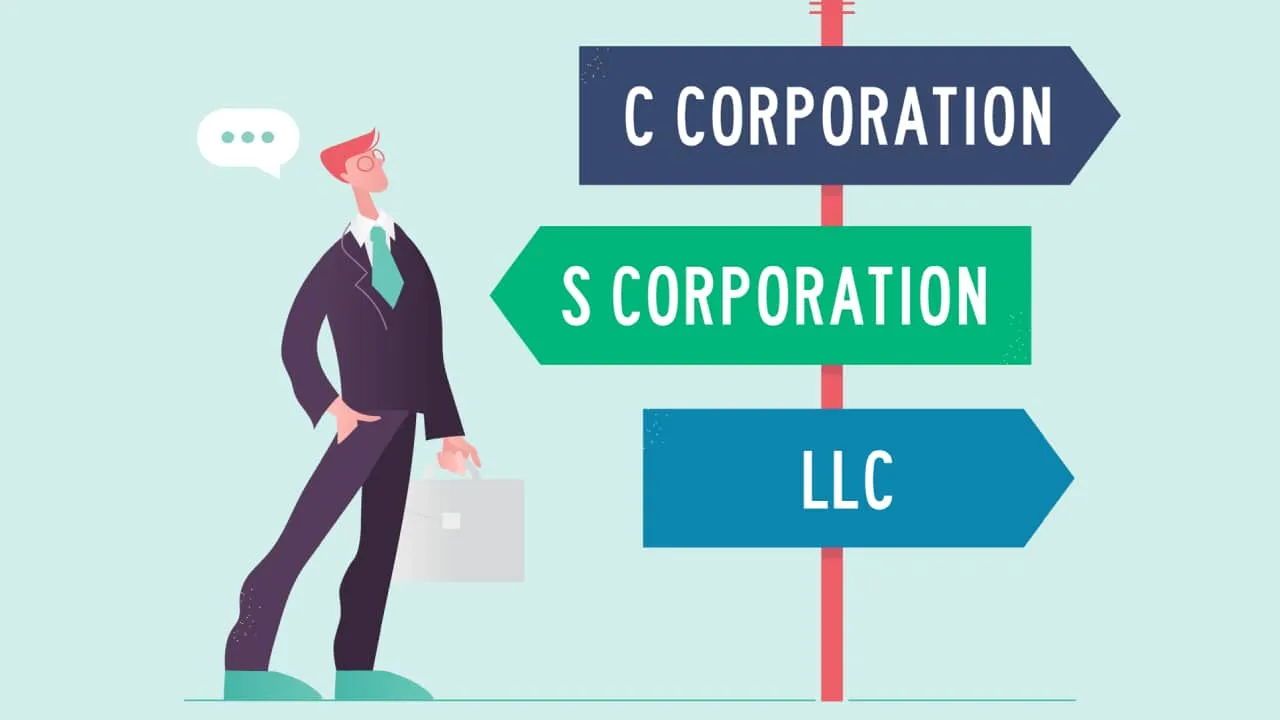
💡 Key Takeaways: LLC vs. C-Corp
- Understanding the fundamental differences between an LLC and a C-Corp is crucial for foreign entrepreneurs.
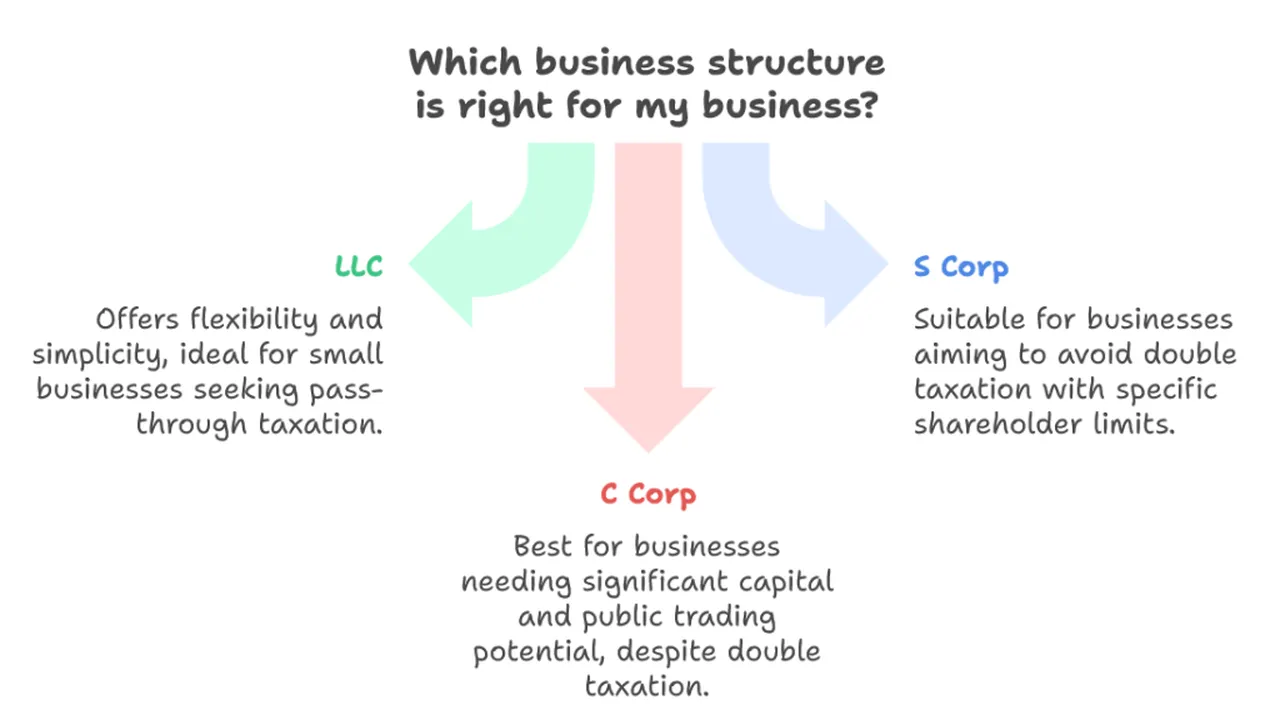
- LLCs offer simpler management and pass-through taxation, while C-Corps provide liability protection and potential for raising capital.
- The choice of entity structure significantly impacts tax obligations, operational complexity, and long-term growth potential.
- Foreign entrepreneurs must consider US tax treaties and regulations when choosing between an LLC and a C-Corp.
- Professional legal and accounting advice is essential for navigating the complexities of US business formation.
LLC vs. C-Corp – the choice between these two business structures is a pivotal decision for any entrepreneur, especially those operating from abroad and looking to establish a presence in the United States. This decision, crucial in March 2026, directly impacts taxation, liability, administrative burden, and future funding opportunities. Foreign entrepreneurs must carefully weigh the pros and cons of each entity to align with their business goals and risk tolerance.
300×250
Detailed Overview & Historical Context
The debate surrounding LLC vs. C-Corp for foreign business owners isn’t new, but its relevance has intensified in recent years as globalization continues to reshape the business landscape. Limited Liability Companies (LLCs) emerged in the late 20th century as a hybrid structure offering the pass-through taxation of partnerships with the limited liability of corporations. C-Corporations, on the other hand, are a more traditional corporate structure, characterized by their own legal identity separate from their owners, and are subject to corporate income tax. In March 2026, the increasing number of international entrepreneurs drawn to the US market for its innovation and growth potential has made understanding the nuances between these two structures paramount.
Historically, C-Corporations were the standard choice for businesses seeking external funding, particularly from venture capitalists, because of the ease of issuing stock. However, the rise in popularity of LLCs, due to their flexibility and simpler tax structure, has led to more nuanced considerations. Foreign entrepreneurs must now carefully assess whether the benefits of C-Corp’s appeal to investors outweigh the complexities of its taxation and compliance requirements. The evolving tax laws in the US also play a significant role in this decision. For instance, changes implemented in the 2020s have altered the effective tax rates for both LLCs and C-Corps, impacting their attractiveness for foreign investors. According to Statista data, small businesses continue to be a major driver of the US economy, underscoring the importance of selecting the right legal structure from the outset.
Comprehensive Benefits & Advantages
Understanding the benefits and advantages of each structure is vital in making the right decision when considering LLC vs. C-Corp. Here’s a breakdown:

LLC Benefits:
- Simplicity: LLCs generally have simpler formation and maintenance requirements compared to C-Corps.
- Pass-Through Taxation: Profits and losses are passed through to the owners’ personal income without being subject to corporate income tax.
- Flexibility: LLCs offer flexibility in management structure and profit distribution.
- Limited Liability: Owners are typically shielded from personal liability for business debts and obligations.
C-Corp Benefits:
- Liability Protection: Offers the strongest form of liability protection, separating personal assets from business liabilities.
- Capital Raising: C-Corps can raise capital more easily by issuing stock.
- Credibility: Some perceive C-Corps as more credible, especially when dealing with large clients or investors.
- Potential Tax Advantages: Depending on the circumstances, C-Corps may offer certain tax planning opportunities.
LLC vs. C-Corp Pros & Cons
The considerations around LLC vs. C-Corp also hinge on a thorough assessment of the advantages and disadvantages of each. This helps international entrepreneurs make informed choices that align with their long-term business goals.
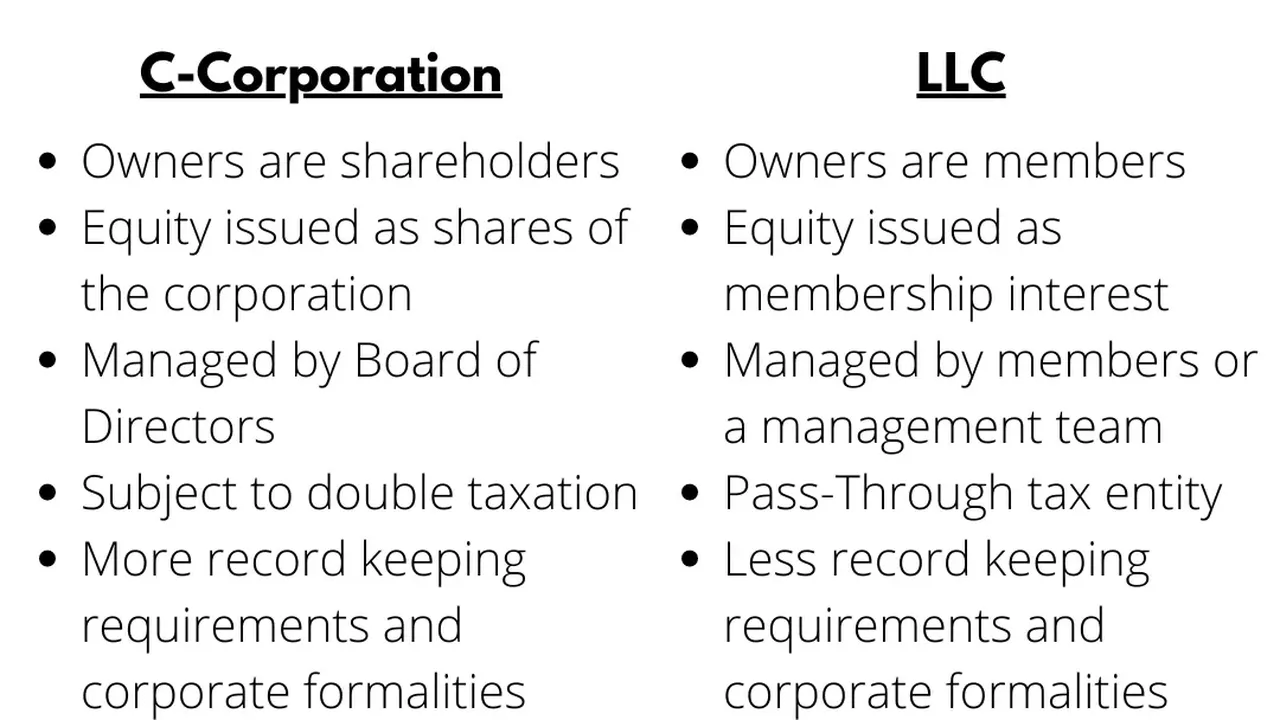
| Feature | LLC | C-Corp |
|---|---|---|
| Liability | Limited | Limited (Strongest) |
| Taxation | Pass-Through | Corporate + Individual (Double Taxation) |
| Management | Flexible | More Formal (Board of Directors, Officers) |
| Capital Raising | Difficult | Easier (Issuance of Stock) |
| Compliance | Simpler | More Complex |
Comparative Analysis
When considering LLC vs. C-Corp, foreign entrepreneurs should also consider which service providers can best assist them. Here’s a comparative analysis of leading US-based providers:
| Logo | Provider Name | Best For | Key Features | Pricing | Rating |
|---|---|---|---|---|---|
 |
Incfile | Budget-conscious Entrepreneurs | Free LLC Formation (State Fees Apply), Registered Agent Service | Starting at $0 + State Fees | 4.5/5 |
|
Northwest Registered Agent | Privacy-focused Entrepreneurs | Excellent Customer Support, Privacy by Default, Registered Agent Services | Starting at $39 + State Fees | 4.8/5 |
|
LegalZoom | Comprehensive Legal Services | Business Formation, Legal Advice, Registered Agent Services | Starting at $79 + State Fees | 4.0/5 |
|
ZenBusiness | Startups Seeking Ongoing Support | Formation Services, Registered Agent, Worry-Free Guarantee | Starting at $39 + State Fees | 4.7/5 |
336×280 / Responsive
Professional Solutions & Enterprise Tools
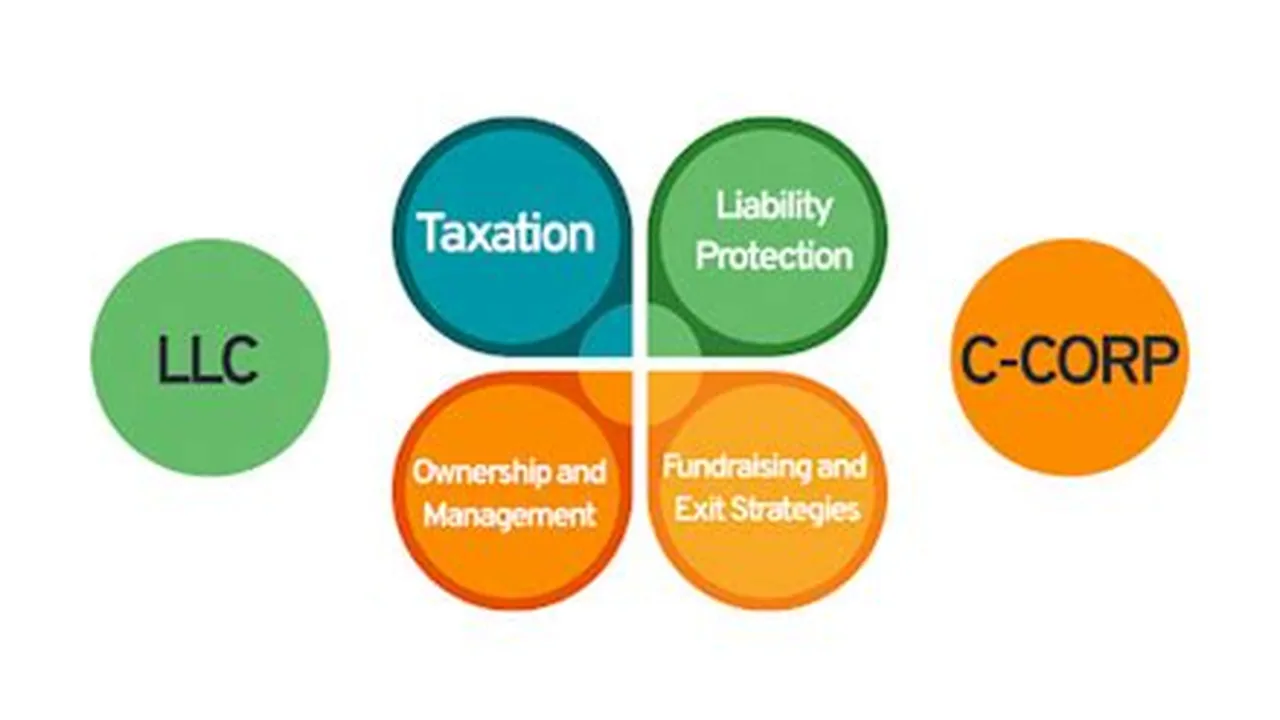
Navigating the complexities of LLC vs. C-Corp requires more than just understanding the legal differences. Foreign entrepreneurs often benefit from professional solutions and enterprise tools to manage their business effectively. This includes everything from accounting software to CRM systems.
For instance, many businesses, regardless of their structure, leverage Customer Relationship Management (CRM) tools like Salesforce or HubSpot to manage customer interactions and streamline sales processes. These tools can be particularly valuable for C-Corps that are focused on growth and scaling operations. Similarly, accounting software like QuickBooks helps manage finances, track expenses, and ensure compliance with tax regulations, regardless of whether a business operates as an LLC or C-Corp.
The choice between LLC vs. C-Corp also influences the type of high-ticket software a business might need. For instance, C-Corps that plan to offer stock options to employees might require specialized equity management software. Conversely, LLCs with simpler management structures might focus on project management tools or collaborative platforms to streamline operations. Ultimately, the best approach involves a careful assessment of your business needs and a selection of tools that align with your long-term goals.
Step-by-Step Implementation Guide
Once a foreign entrepreneur decides between LLC vs. C-Corp, the next step is implementing the chosen structure. Here’s a step-by-step guide:
- Choose a Business Name: Check name availability in the desired state.
- Appoint a Registered Agent: This agent will receive legal and official documents on behalf of the business.
- File Articles of Organization/Incorporation: Submit the required documents to the state to formally create the LLC or C-Corp.
- Obtain an EIN: Apply for an Employer Identification Number (EIN) from the IRS.
- Create an Operating Agreement (LLC) or Bylaws (C-Corp): These documents outline the internal rules and procedures for the business.
- Open a Business Bank Account: Keep business finances separate from personal finances.
- Obtain Necessary Licenses and Permits: Ensure compliance with all applicable regulations.
Expert Insights & Future Trends
Looking ahead, the landscape surrounding LLC vs. C-Corp will continue to evolve. Experts predict increasing scrutiny of international tax compliance, which means foreign entrepreneurs must stay informed about changes in US tax laws and regulations. Additionally, the rise of decentralized autonomous organizations (DAOs) may introduce new considerations for business structuring in the future.
Moreover, the increasing adoption of digital technologies will likely streamline business formation and management processes for both LLCs and C-Corps. Expect to see more automated solutions for compliance, tax filing, and other administrative tasks. As the business environment becomes more complex, the need for professional guidance and expertise will only intensify.
Real-World Case Studies
Examining real-world case studies can provide valuable insights into the LLC vs. C-Corp decision. For instance, a foreign-owned software startup seeking venture capital funding in Silicon Valley might choose a C-Corp structure to attract investors. The ability to issue stock and offer equity to employees makes the C-Corp a more appealing option in this scenario.
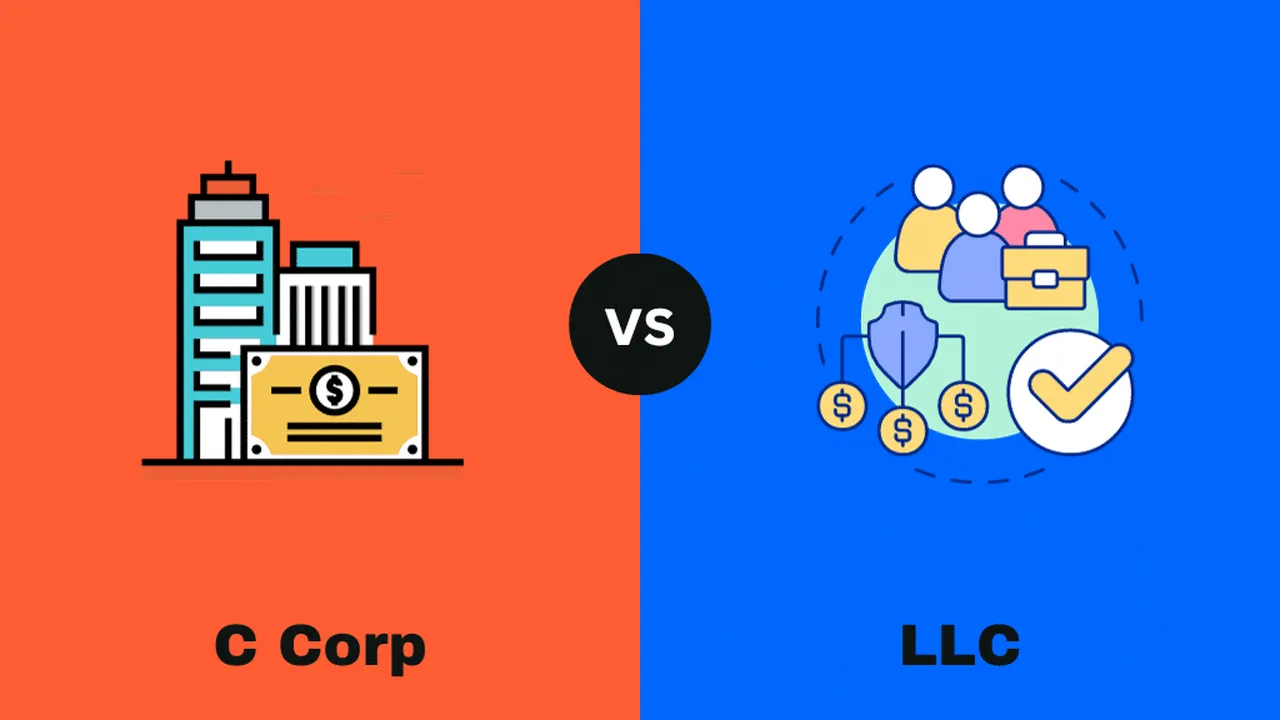
Conversely, a small e-commerce business operated by a single foreign entrepreneur might opt for an LLC structure due to its simplicity and pass-through taxation. The lower administrative burden and reduced tax complexity make the LLC a more suitable choice for this type of business.
Frequently Asked Questions (FAQ)
- What is the main difference between an LLC and a C-Corp?
The main difference lies in taxation and liability. LLCs offer pass-through taxation and limited liability, while C-Corps are subject to corporate income tax and offer stronger liability protection.
- Is it easier to raise capital with an LLC or a C-Corp?
It is generally easier to raise capital with a C-Corp because C-Corps can issue stock.

Incorporate Us As Foreigner: Key insights for LLC vs. C-Corp. - What are the tax implications of choosing an LLC as a foreign entrepreneur?
Foreign entrepreneurs who form an LLC may be subject to US income tax on their share of the LLC’s profits, regardless of whether those profits are distributed.
- What are the ongoing compliance requirements for LLCs and C-Corps?
LLCs typically have fewer ongoing compliance requirements than C-Corps, but both must file annual reports and pay applicable taxes.
- Can I convert an LLC to a C-Corp?
Yes, it is possible to convert an LLC to a C-Corp, but this process can be complex and may have tax implications.
Foreigner Us Company Setup: Key insights for LLC vs. C-Corp.
Conclusion
In conclusion, the decision between LLC vs. C-Corp for foreign entrepreneurs in March 2026 is a critical one that requires careful consideration. Understanding the differences in taxation, liability, administrative burden, and funding opportunities is essential. By weighing the pros and cons of each structure and seeking professional advice, foreign entrepreneurs can make the right choice for their business and set themselves up for success in the US market.
⚠️ Legal Disclaimer: The information provided in this article is for strategic educational purposes only and does not constitute legal, tax, or professional advice. Always consult with a qualified attorney or tax professional regarding your specific business or immigration situation.
🔗 Brand Disclaimer: We are not affiliated, associated, authorized, endorsed by, or in any way officially connected with any of the brands, companies, or government agencies (such as USCIS) mentioned. All product and company names are trademarks™ or registered® trademarks of their respective holders.