Key Takeaways:
- Fast Internet is crucial for modern productivity and entertainment.
- Different technologies offer varying speeds and suitability for different needs.
- Factors like location, infrastructure, and service provider significantly impact actual speeds.
- Understanding your bandwidth needs is essential to choosing the right plan.
- Future trends suggest continued advancements in speed and accessibility.
The Definitive Guide to Fast Internet
Access to fast internet is no longer a luxury; it’s a necessity. The speed and reliability of your internet connection impact everything from your work life to your entertainment options. Slow loading times and buffering videos are relics of the past for those who have embraced high-speed connectivity. reference to Fast Internet will boost your home and productivity.
This article provides a comprehensive guide to understanding, choosing, and optimizing your connection for the fastest possible speeds. reference to Fast Internet has redefined how we communicate and access information.
Detailed Overview & Historical Context
The evolution of internet speeds is a story of constant innovation. Dial-up, the first widely available form of internet access, offered painfully slow speeds, measured in kilobits per second (Kbps). The arrival of broadband, encompassing technologies like DSL and cable, marked a significant leap forward, providing speeds in the megabits per second (Mbps) range.
DSL (Digital Subscriber Line) uses existing telephone lines to transmit data. Cable internet leverages the same infrastructure as cable television. Both technologies improved access to faster internet, but they had limitations. DSL performance often degrades with distance from the provider’s central office. Cable internet speeds can fluctuate based on the number of users sharing the same network segment.
The advent of fiber optic internet represented another paradigm shift. Fiber uses strands of glass or plastic to transmit data as light, offering significantly faster speeds and greater bandwidth capacity than DSL or cable. Fiber connections can deliver speeds of hundreds of Mbps or even gigabits per second (Gbps).
Today, 5G wireless technology offers another avenue for fast internet access. It relies on cellular networks to deliver wireless broadband speeds. 5G promises to expand access to high-speed internet in areas where wired infrastructure is limited or unavailable.

Comprehensive Benefits & Advantages
- Increased Productivity: Faster download and upload speeds allow for smoother workflows, quicker file transfers, and seamless online collaboration.
- Enhanced Entertainment: Streaming high-definition video and playing online games without buffering or lag becomes possible.
- Improved Communication: Video conferencing and VoIP calls are clearer and more reliable.
- Faster Downloads and Uploads: Large files can be downloaded and uploaded in a fraction of the time.
- Support for Multiple Devices: A fast internet connection can easily support multiple devices simultaneously without performance degradation.
- Remote Work Capabilities: Enables seamless remote work with access to cloud-based applications and resources.
- Smart Home Functionality: Connect and control smart home devices with ease and reliability.
Fast Internet Pros & Cons
| Pros | Cons |
|---|---|
| Significantly faster speeds compared to older technologies. | Higher monthly costs compared to slower internet plans. |
| Lower latency (delay) for improved responsiveness. | Availability can be limited depending on location. |
| Greater bandwidth capacity for multiple devices and applications. | Installation fees may apply, especially for fiber optic connections. |
| Enhanced reliability and stability. | Some providers may impose data caps. |
| Improved security. | Contract requirements can sometimes be lengthy. |
Comparative Analysis
| Technology | Typical Speed Range | Pros | Cons |
|---|---|---|---|
| Dial-up | Up to 56 Kbps | Widely available, low cost. | Extremely slow, ties up phone line. |
| DSL | 1-100 Mbps | Relatively affordable, widely available. | Speed degrades with distance, slower upload speeds. |
| Cable | 10-1000 Mbps | Fast download speeds, widely available. | Speeds can fluctuate, shared bandwidth. |
| Fiber | 100-10,000 Mbps | Very fast speeds, low latency, dedicated bandwidth. | Limited availability, higher cost. |
| 5G Wireless | 50-1000 Mbps | Wireless, fast speeds, increasing availability. | Coverage can be spotty, subject to interference. |
Professional Solutions & Enterprise Tools
Businesses rely on fast internet for critical operations. Selecting the right internet solution is paramount to ensure productivity, collaboration, and security. Several factors need consideration: bandwidth requirements, reliability, security protocols, and support services.
For small to medium-sized businesses (SMBs), cable or DSL internet may suffice for basic operations. However, businesses that rely on cloud-based applications, video conferencing, or large file transfers should consider fiber optic internet for its superior speed and reliability. Enterprise-level solutions, such as VMware SD-WAN Solutions and dedicated server hosting, offer advanced features and enhanced security. Education: Ditch the Paperwork! Simple Tools for Organized Homeschooling provides insight into optimizing solutions.
Dedicated Server Hosting provides exclusive access to a server’s resources, ensuring optimal performance and security. It is suitable for businesses with high traffic websites or demanding applications. SD-WAN (Software-Defined Wide Area Network) Solutions optimize network performance and improve application delivery across multiple locations. A Network Security Audit can identify vulnerabilities and protect against cyber threats.
Fiber Optic Installation provides a pathway to enhanced internet speeds and reliability. Selecting the right Business Internet Service Provider (ISP) is critical for meeting the organization’s needs.
The Ultimate Comparison: Fastest Internet Providers & Their Hidden Costs

- Comcast Business: Comcast Business offers a range of internet packages designed for businesses of all sizes. Their fiber optic plans boast impressive speeds, but watch out for potential data caps and equipment rental fees. Comcast Business
- Verizon Fios Business: Known for their reliable fiber optic network, Verizon Fios Business provides symmetrical upload and download speeds, making it ideal for businesses that heavily rely on cloud services and video conferencing. However, availability can be limited to specific regions. Verizon Fios Business
Step-by-Step Implementation Guide
- Assess Your Needs: Determine your bandwidth requirements based on the number of users and the types of applications used.
- Research Providers: Compare internet service providers in your area and their available plans.
- Check Availability: Confirm that the desired internet technology is available at your location.
- Compare Plans: Evaluate pricing, speeds, data caps, and contract terms.
- Schedule Installation: Arrange for installation with the chosen provider.
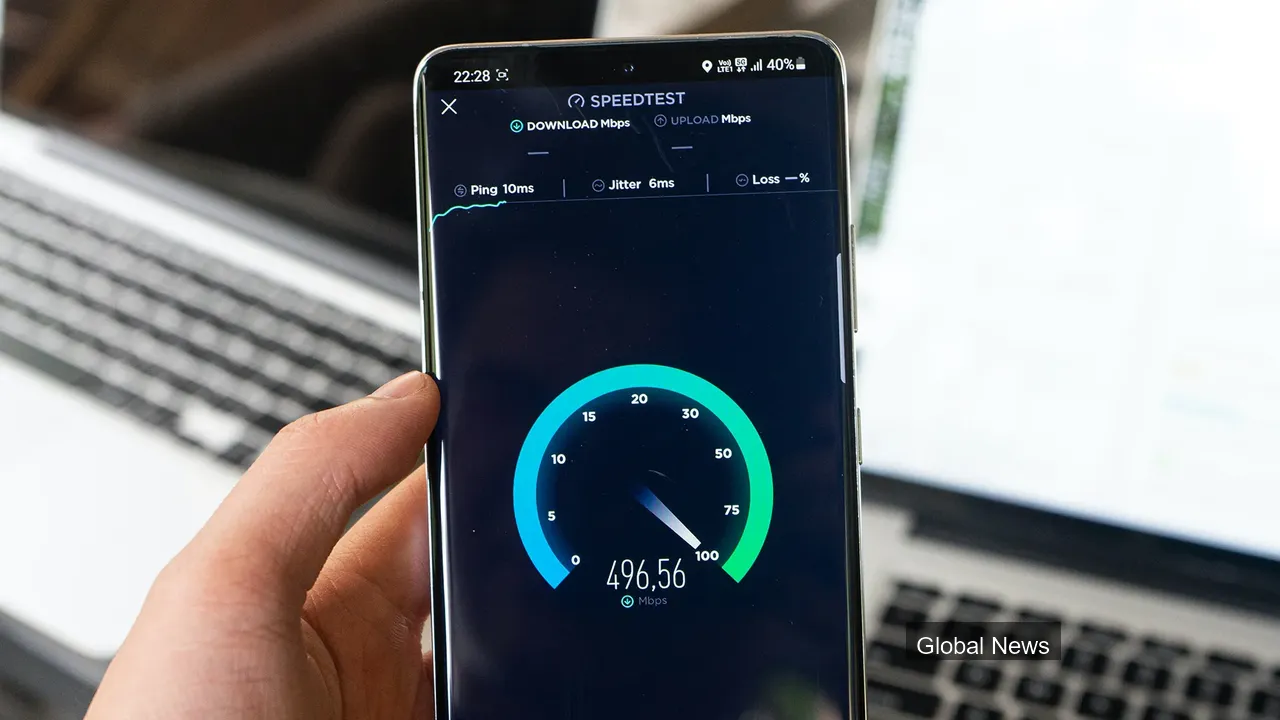
- Test Your Speed: Verify that the actual speed matches the advertised speed. Tools like Speedtest.net can help.
- Optimize Your Network: Ensure your router is up-to-date and properly configured.
- Monitor Performance: Regularly monitor your internet speed and usage to identify any issues.
Expert Insights & Future Trends
The future of fast internet is being shaped by several key trends. One is the continued expansion of fiber optic networks, bringing gigabit speeds to more homes and businesses. Another is the deployment of 5G wireless technology, which promises to deliver faster and more reliable wireless broadband. The use of technologies like millimeter wave and massive MIMO (Multiple-Input Multiple-Output) will enhance 5G’s performance.
Satellite internet technology is also improving. Low Earth Orbit (LEO) satellite constellations are being developed to provide faster and lower-latency internet access to remote and underserved areas. In the future, expect more homes to have access to fast internet because of the rising competition.
Real-World Case Studies
Case Study 1: Small Business Success: A small marketing agency struggled with slow internet speeds, hindering their ability to collaborate on projects and deliver timely results to clients. By switching to a fiber optic internet plan, they experienced a significant boost in productivity. This enabled them to handle larger projects and attract new clients. File transfers became much faster. Video conferences became very stable, and their overall efficiency increased.
Case Study 2: Remote Worker Productivity: A software developer working remotely experienced constant interruptions due to slow internet speeds. Uploading code, participating in video calls, and accessing cloud-based resources was frustrating. After upgrading to a 5G wireless internet plan, the developer saw improvements in their productivity, contributing to project completion on time.
Frequently Asked Questions (FAQ)
- What is the difference between Mbps and Gbps? Mbps (Megabits per second) and Gbps (Gigabits per second) are units of measurement for internet speed. Gbps is 1,000 times faster than Mbps.
- How much speed do I need? The speed you need depends on your usage. For basic browsing and email, 25 Mbps may be sufficient. For streaming video, online gaming, and multiple users, 100 Mbps or more is recommended.
- What factors affect internet speed? Factors include the type of internet technology (DSL, cable, fiber), the distance from the provider’s central office, network congestion, and the performance of your router and devices.
- How can I improve my internet speed? Update your router firmware, optimize your Wi-Fi network, close unnecessary applications, and consider upgrading your internet plan.
- Is fiber internet worth the cost? Fiber internet offers significantly faster speeds and greater reliability compared to other technologies. It is worth the cost if you require high bandwidth and low latency.
Conclusion
In conclusion, fast internet has become indispensable. It is crucial for both personal and professional activities. Understanding the different types of internet technologies, assessing your bandwidth needs, and choosing the right provider are essential steps to optimizing your online experience. With continued advancements in technology, access to fast internet will continue to improve, enabling greater productivity, entertainment, and connectivity for everyone.