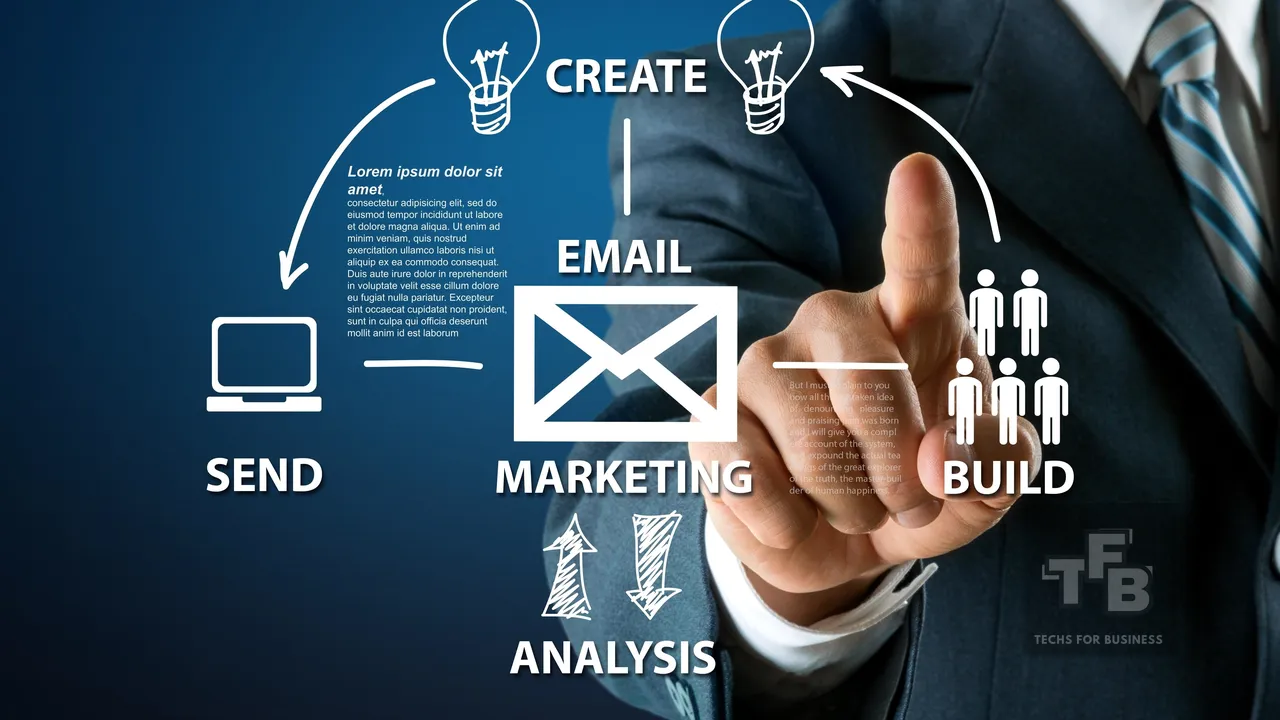
💡 Key Takeaways: Digital Marketing
- Focusing on data-driven strategies dramatically improves Digital Marketing ROI.
- Personalization through AI and automation is key to engaging customers effectively.
- Measuring and optimizing content marketing efforts are crucial for long-term success.
- Utilizing emerging technologies like augmented reality enhances user experiences.
- Maintaining ethical data practices builds trust and strengthens brand reputation.
Digital Marketing: Watch Your Digital Marketing ROI EXPLODE (Without Spending a Dime More!)
Digital Marketing, as it stands in January 2026, represents a highly evolved and multifaceted landscape where return on investment (ROI) is paramount. The advancements in AI, machine learning, and data analytics have reshaped strategies, allowing businesses to achieve unprecedented levels of efficiency and effectiveness. The challenge now lies not just in adopting the latest tools but in integrating them seamlessly into a holistic digital strategy that maximizes value without escalating costs.
300×250
Detailed Overview & Historical Context
The evolution of Digital Marketing has been nothing short of revolutionary. From the early days of simple banner ads and email blasts, it has morphed into a complex ecosystem encompassing search engine optimization (SEO), social media marketing, content creation, influencer collaborations, data-driven advertising, and personalized customer experiences. This journey has been marked by continuous innovation and adaptation to changing consumer behaviors and technological advancements.
In the early 2000s, SEO emerged as a critical discipline, focused on optimizing websites for search engines like Google. As social media platforms gained popularity in the late 2000s and early 2010s, marketers recognized the potential to engage with audiences directly and build brand communities. The proliferation of mobile devices further accelerated the shift towards mobile-first strategies and location-based marketing. According to recent data, global digital advertising spending continues its upward trajectory, highlighting the channel’s importance for businesses worldwide.

The mid-2010s saw the rise of content marketing, with businesses focusing on creating valuable and engaging content to attract and retain customers. The late 2010s and early 2020s were defined by the increasing importance of data analytics and personalization. Marketers began leveraging data to understand customer preferences, tailor messaging, and deliver targeted advertising campaigns. In recent years, AI and machine learning have taken center stage, automating tasks, predicting consumer behavior, and enhancing personalization at scale.
In January 2026, Digital Marketing is characterized by its data-driven nature, emphasis on customer experience, and reliance on automation and AI. Marketers are now focusing on creating integrated, omnichannel experiences that seamlessly connect with customers across all touchpoints. The ability to measure and optimize ROI is more critical than ever, driving demand for sophisticated analytics tools and performance-based marketing strategies.

Comprehensive Benefits & Advantages
- Increased Reach and Engagement: Digital Marketing allows businesses to connect with a global audience and engage with customers in real-time through various channels.
- Improved Targeting and Personalization: Data-driven strategies enable marketers to target specific demographics and tailor messaging to individual customer preferences.
- Enhanced Measurement and Accountability: Digital Marketing provides detailed metrics and analytics, allowing businesses to track ROI and optimize campaigns accordingly.
- Cost-Effectiveness: Compared to traditional marketing methods, Digital Marketing often offers a more cost-effective way to reach and engage with target audiences.
- Greater Flexibility and Adaptability: Digital Marketing campaigns can be quickly adjusted and optimized based on real-time data and feedback.
- Stronger Brand Building: Consistent and engaging Digital Marketing efforts can help build brand awareness, loyalty, and advocacy.
- Improved Customer Service: Digital channels provide opportunities for businesses to offer timely and personalized customer support, enhancing customer satisfaction.
Digital Marketing Pros & Cons
| Pros | Cons |
|---|---|
| Highly Measurable ROI | Can Be Time-Consuming |
| Global Reach | Requires Constant Monitoring & Adaptation |
| Personalized Customer Experiences | Competition Can Be Fierce |
| Cost-Effective (Compared to Traditional) | Potential for Negative Feedback/Reviews |
| Easy to Adapt and Optimize | Privacy Concerns & Data Security Risks |
Comparative Analysis of US-Based Providers
| Logo | Provider Name | Best For | Key Features | Pricing | Rating |
|---|---|---|---|---|---|
 |
HubSpot | Inbound Marketing & CRM | Marketing Automation, CRM, Sales Hub, Service Hub | Free – $3,600/month | 4.5/5 |
|
Salesforce | Comprehensive CRM & Sales | Sales Cloud, Marketing Cloud, Service Cloud, Analytics | $25 – $300/user/month | 4.3/5 |
|
Adobe Marketing Cloud | Enterprise Digital Marketing | Adobe Analytics, Adobe Experience Manager, Adobe Target | Custom Pricing | 4.2/5 |
|
Mailchimp | Email Marketing & Automation | Email Marketing, Automation, Landing Pages, CRM | Free – $350/month | 4.4/5 |
336×280 / Responsive
Professional Solutions & Enterprise Tools
In the realm of professional Digital Marketing solutions, several high-CPC tools and brands stand out. These platforms offer comprehensive capabilities for managing and optimizing marketing campaigns, customer relationships, and overall business performance. For instance, Salesforce remains a dominant force in CRM, providing a suite of tools for sales, service, and marketing automation. Its Marketing Cloud empowers businesses to create personalized customer journeys and deliver targeted messaging across multiple channels. Similarly, HubSpot continues to be a popular choice for inbound marketing, offering a range of tools for content creation, SEO, social media management, and lead generation.
High-ticket software solutions, such as those offered by Adobe with its Adobe Marketing Cloud, provide advanced analytics, personalization, and content management capabilities for large enterprises. These tools enable businesses to gain deep insights into customer behavior, optimize marketing campaigns in real-time, and deliver personalized experiences at scale. Additionally, platforms like Oracle‘s Eloqua offer sophisticated marketing automation features, allowing businesses to nurture leads, automate email marketing campaigns, and track customer engagement across the entire sales cycle. Leveraging these professional solutions effectively can significantly enhance Digital Marketing ROI by improving targeting, personalization, and overall campaign performance.

🚧 Is Your Procore Project Facing a MELTDOWN? This One Tweak Can Save Millions!
Step-by-Step Implementation Guide
- Define Clear Objectives: Start by setting specific, measurable, achievable, relevant, and time-bound (SMART) objectives for your Digital Marketing efforts.
- Identify Target Audience: Conduct thorough research to understand your target audience’s demographics, interests, and online behaviors.
- Develop a Content Strategy: Create a content calendar outlining the types of content you will create, the channels you will use, and the frequency of publication.
- Optimize for Search Engines: Conduct keyword research and optimize your website and content for relevant search terms.
- Engage on Social Media: Choose the social media platforms that are most relevant to your target audience and create engaging content that encourages interaction.
- Implement Email Marketing: Build an email list and create targeted email campaigns to nurture leads and drive conversions.
- Leverage Data Analytics: Use data analytics tools to track key metrics, measure ROI, and optimize your Digital Marketing efforts.
- Personalize Customer Experiences: Tailor your messaging and content to individual customer preferences based on their behavior and interactions.
- Automate Marketing Processes: Use marketing automation tools to streamline tasks, improve efficiency, and personalize customer interactions at scale.
- Continuously Test and Optimize: Regularly test different strategies and tactics to identify what works best for your business and optimize your campaigns accordingly.
Expert Insights & Future Trends
Looking ahead, the future of Digital Marketing will be shaped by several key trends. AI and machine learning will continue to play a central role, enabling marketers to automate tasks, predict consumer behavior, and deliver hyper-personalized experiences. The rise of augmented reality (AR) and virtual reality (VR) will create new opportunities for immersive marketing experiences. Voice search will become increasingly important, requiring marketers to optimize their content for voice-activated devices. Privacy regulations will continue to evolve, necessitating a greater focus on ethical data practices and transparent communication with customers. Digital Marketing ROI will be even more critical.
Real-World Case Studies
Consider the case of a small e-commerce business that implemented a data-driven Digital Marketing strategy. By analyzing customer data, the business identified its most valuable customer segments and created personalized email campaigns tailored to their specific interests. As a result, the business saw a 30% increase in email open rates and a 20% increase in sales. Another example involves a B2B software company that leveraged content marketing to generate leads. By creating high-quality blog posts, white papers, and webinars, the company attracted a large audience of potential customers and generated a steady stream of qualified leads. The company saw a 50% increase in leads and a 25% increase in sales.

Frequently Asked Questions (FAQ)
- What is Digital Marketing? Digital Marketing encompasses all marketing efforts that use an electronic device or the internet.
- How can I measure my Digital Marketing ROI? Track key metrics such as website traffic, lead generation, conversion rates, and sales.
- What are the most important Digital Marketing channels? The most important channels depend on your target audience and business objectives, but common channels include SEO, social media, email marketing, and paid advertising.
- How can I personalize my Digital Marketing efforts? Use data to understand customer preferences and tailor messaging to individual needs.
- What are the key trends in Digital Marketing? Key trends include AI, machine learning, augmented reality, and voice search.
Conclusion
In conclusion, Digital Marketing in January 2026 demands a strategic, data-driven approach to maximize ROI. By leveraging the latest technologies, focusing on customer experience, and continuously testing and optimizing your efforts, you can achieve significant results without spending a dime more. Embracing innovation and adapting to evolving trends will be essential for success in the ever-changing world of Digital Marketing. The future of Digital Marketing is now, and those who embrace it strategically will reap the rewards. The ability to adapt and innovate within the Digital Marketing landscape is paramount, and those who do so effectively will see their Digital Marketing ROI soar.