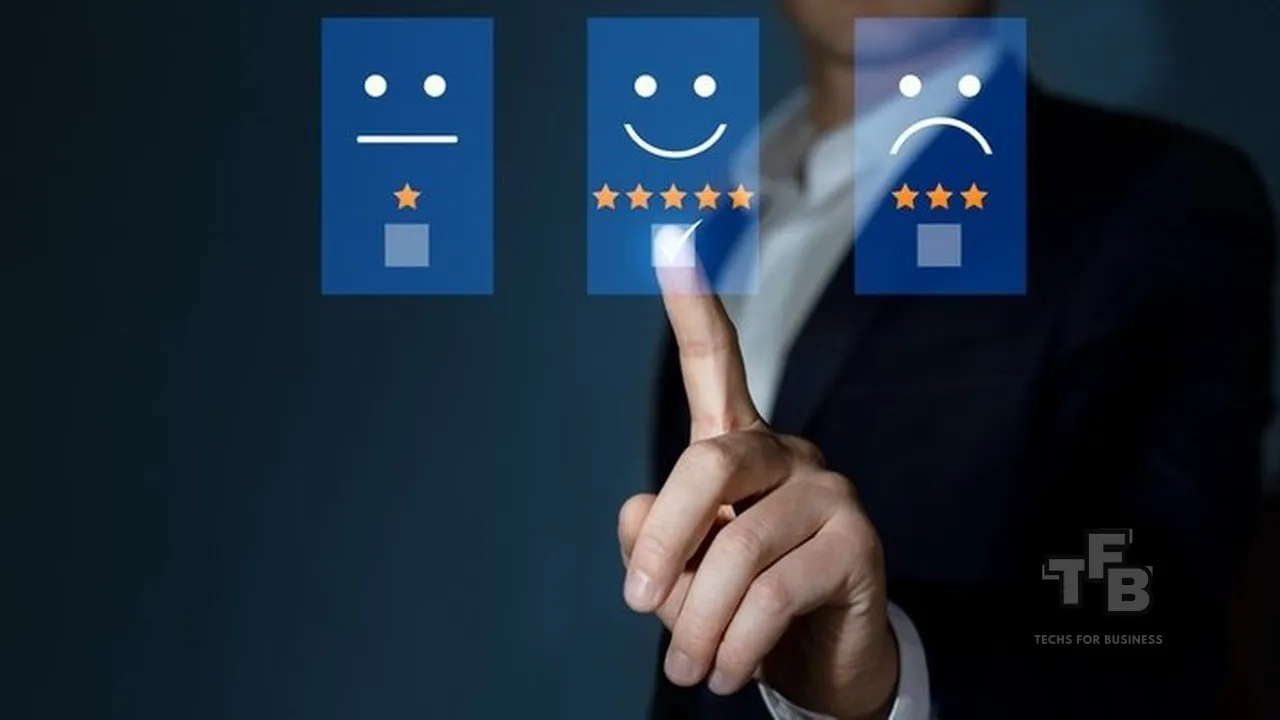
Imagine walking into a store and being greeted not by a generic sales pitch, but by a tailored suggestion based on your past purchases and browsing history. This level of personalization, once a futuristic fantasy, is now becoming the standard, driven by the relentless march of artificial intelligence. Yet, many businesses are still clinging to outdated, one-size-fits-all marketing approaches, unaware of the silent attrition happening within their customer base. They’re failing to recognize the reference to Customer Experiences now expected. The question isn’t if AI-powered personalization will reshape the market, but whether your business will be left behind.
The shift is subtle, yet profound. Customers, increasingly sophisticated and bombarded with choices, are gravitating towards businesses that understand their individual needs and preferences. Ignoring this fundamental shift in consumer behavior is akin to navigating a ship without a compass – you might be moving, but you’re unlikely to reach your intended destination. The digital landscape is rife with examples of companies flourishing by prioritizing personalization and others floundering due to their generic approach. The difference? A deep understanding of what truly matters to their customers and the ability to leverage technology to deliver it. It’s no longer about selling products; it’s about crafting meaningful, individualized reference to Customer Experiences.
Key Takeaways
- AI-powered personalization is rapidly becoming the expectation, not the exception.
- Generic marketing strategies are increasingly ineffective and can lead to customer loss.
- Understanding individual customer needs and preferences is crucial for success.
- Businesses must adapt to the changing landscape by embracing personalization technologies.
- Failing to prioritize personalization can result in competitive disadvantage and decreased revenue.
300×250
Detailed Overview & Historical Context
The concept of providing excellent service is not new. For centuries, local shopkeepers thrived on knowing their customers by name and tailoring their recommendations accordingly. However, as businesses grew and scaled, this personalized touch was often lost in the pursuit of efficiency and mass marketing. The rise of mass media in the 20th century further cemented this trend, with companies focusing on reaching the largest possible audience with generic messages.
The advent of the internet and digital technologies marked a turning point. Suddenly, businesses had access to vast amounts of data about their customers, allowing them to segment their audiences and deliver more targeted advertising. Early attempts at personalization were often crude and based on limited data, but they laid the groundwork for the sophisticated AI-powered solutions we see today. Over the past decade, machine learning and natural language processing have advanced dramatically, enabling businesses to analyze customer data in real-time and deliver highly personalized messages and offers.

In 2026, the landscape is vastly different. Customers expect a seamless, personalized experience across all channels, from website browsing to mobile apps to social media. They want to be treated as individuals, not as faceless members of a mass audience. Companies that fail to meet these expectations risk losing customers to competitors who are more adept at personalization.
Comprehensive Benefits & Advantages
- Increased Customer Loyalty: Personalization fosters a sense of connection and loyalty, making customers more likely to stay with a brand.
- Improved Conversion Rates: Tailored messages and offers are more likely to resonate with customers, leading to higher conversion rates.
- Enhanced Customer Satisfaction: When customers feel understood and valued, their satisfaction levels increase.
- Greater Revenue Generation: Personalized marketing campaigns can drive sales and increase revenue by targeting the right customers with the right products at the right time.
- Competitive Advantage: Businesses that excel at personalization can differentiate themselves from competitors and attract new customers.
- More Efficient Marketing Spend: Personalization allows businesses to focus their marketing efforts on the most promising prospects, reducing wasted spend.
- Better Understanding of Customers: By tracking customer behavior and preferences, businesses can gain valuable insights into their needs and desires.
Customer Experiences Pros & Cons
| Pros | Cons |
|---|---|
|
|
336×280 / Responsive
Comparative Analysis
| Logo | Provider Name | Best For | Key Features | Pricing | Rating |
|---|---|---|---|---|---|
 |
Salesforce | Large enterprises with complex needs | CRM, marketing automation, AI-powered personalization, analytics | Varies based on modules and usage | 4.5/5 |
|
Adobe Experience Cloud | Businesses focused on content-driven experiences | Content management, personalization, analytics, marketing automation | Varies based on modules and usage | 4.3/5 |
|
Oracle CX | Organizations needing a comprehensive CX platform | CRM, marketing automation, sales automation, customer service, personalization | Varies based on modules and usage | 4.2/5 |
|
Zoho CRM | Small to medium-sized businesses | CRM, sales automation, marketing automation, AI-powered insights | Starting from $14/user/month | 4.4/5 |
Professional Solutions & Enterprise Tools
For businesses serious about leveraging AI for enhanced experiences, several high ticket software options exist. These Professional Solutions range from comprehensive Customer Relationship Management (CRM) platforms to specialized marketing automation tools. Salesforce, Adobe Experience Cloud, and Oracle CX are examples of enterprise-grade platforms offering a suite of features designed to personalize every touchpoint in the customer journey. These platforms integrate data from various sources, including website activity, purchase history, and social media interactions, to create a unified view of the customer. AI algorithms then analyze this data to identify patterns and predict future behavior, enabling businesses to deliver highly targeted and relevant messages. Investing in these tools allows for a deeper understanding and creates enhanced reference to Customer Experiences.
Smaller businesses may find value in more streamlined solutions like Zoho CRM or HubSpot, which offer a balance of features and affordability. Regardless of the chosen platform, the key is to select a solution that aligns with the specific needs and goals of the business. Integrating these High Ticket Software options requires careful planning and execution, but the potential return on investment is significant. With the right tools and strategy, businesses can unlock the power of AI to create truly personalized, memorable, and profitable relationships.

Step-by-Step Implementation Guide
- Define Your Goals: What do you want to achieve with personalization? Increase sales, improve customer loyalty, or enhance customer satisfaction?
- Gather Customer Data: Collect data from various sources, including your website, CRM, social media, and email marketing platforms.
- Segment Your Audience: Group your customers into segments based on their demographics, interests, and behavior.
- Choose the Right Tools: Select software solutions that align with your specific needs and budget.
- Create Personalized Content: Develop targeted messages and offers that resonate with each customer segment.
- Test and Optimize: Continuously monitor the performance of your personalization efforts and make adjustments as needed.
- Respect Customer Privacy: Be transparent about how you are collecting and using customer data.
Expert Insights & Future Trends
Looking ahead, the future of personalization is likely to be shaped by several key trends. First, AI will become even more sophisticated, enabling businesses to deliver hyper-personalized experiences in real-time. Second, privacy concerns will continue to grow, forcing businesses to adopt more transparent and ethical data practices. Third, personalization will extend beyond marketing and sales to encompass all aspects of the customer journey, from product development to customer service. Finally, businesses will need to embrace a more holistic view of personalization, recognizing that it’s not just about delivering targeted messages, but also about creating meaningful connections with customers.
Experts predict that augmented reality (AR) and virtual reality (VR) will play a significant role in shaping future experiences. Imagine trying on clothes virtually before buying them online or receiving personalized product recommendations through an AR app while browsing in a store. These technologies have the potential to create truly immersive and engaging experiences that will further blur the lines between the physical and digital worlds. For businesses looking to stay ahead of the curve, investing in these emerging technologies is crucial.
Real-World Case Studies
Netflix: The streaming giant leverages AI to provide personalized recommendations based on viewing history, ratings, and preferences. This helps customers discover new content they’re likely to enjoy, increasing engagement and retention.

Amazon: The e-commerce giant uses personalized product recommendations, search results, and email marketing to drive sales and increase customer satisfaction. Their AI-powered algorithms analyze customer behavior to anticipate their needs and deliver relevant offers.
Starbucks: The coffee chain uses its mobile app to deliver personalized offers and rewards to customers based on their purchase history and location. This helps drive traffic to stores and increase customer loyalty.
Frequently Asked Questions (FAQ)
- What is AI-powered personalization? It involves using artificial intelligence to analyze customer data and deliver tailored messages and offers.
- How can personalization benefit my business? It can increase customer loyalty, improve conversion rates, and drive revenue growth.
- What are the risks of personalization? Potential risks include privacy concerns and the risk of over-personalization.
- How much does it cost to implement personalization? The cost varies depending on the chosen tools and the complexity of the implementation.
- How do I get started with personalization? Start by defining your goals, gathering customer data, and segmenting your audience.
Conclusion
The era of generic marketing is coming to an end. In today’s competitive landscape, businesses must embrace AI-powered personalization to survive and thrive. By understanding individual customer needs and delivering tailored experiences, businesses can build stronger relationships, drive revenue growth, and gain a competitive advantage. The future belongs to those who can harness the power of AI to create meaningful and personalized reference to Customer Experiences. This is how businesses will truly connect.