
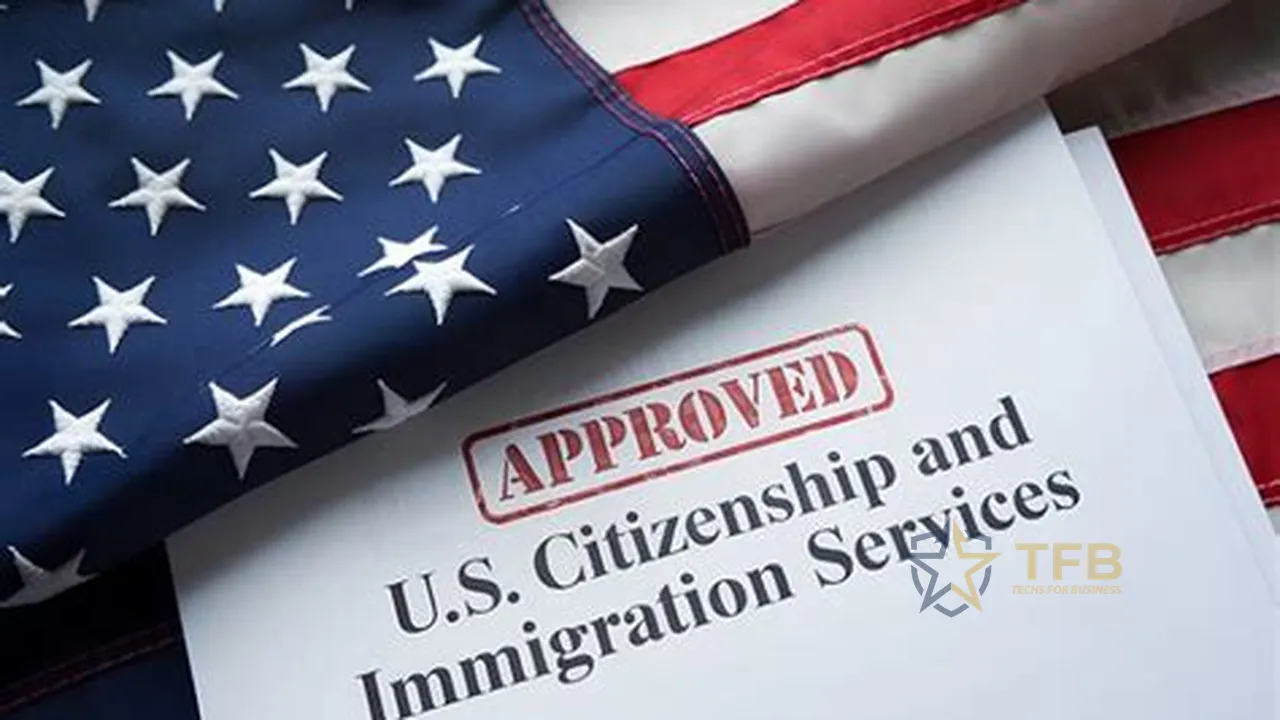
💡 Key Takeaways: Immigration
- The landscape of startup visas is evolving rapidly, offering new pathways for entrepreneurs globally.
- Several countries are actively competing to attract innovative startups through tailored immigration programs.
- Understanding the specific requirements and benefits of each program is crucial for success.
- Expert legal counsel and strategic business planning are essential for navigating the immigration process.
- The “From Idea to Immigration” approach emphasizes a holistic strategy for securing a visa.
Immigration, especially for entrepreneurs seeking to establish startups, is undergoing a significant transformation in 2026. The shift towards streamlined, innovation-focused visa programs is reshaping the global startup ecosystem. The focus is now on securing visas specifically designed for startup founders and their teams, moving beyond traditional employment-based immigration routes.
300×250
Detailed Overview & Historical Context
The concept of startup visas is relatively new, gaining traction in the early 2010s as nations recognized the economic potential of attracting innovative businesses. Countries like Canada, the United Kingdom, and Chile were among the first to implement programs designed to attract foreign entrepreneurs. Initially, these programs faced challenges, including bureaucratic hurdles, stringent eligibility criteria, and limited support for immigrant founders. However, over the past decade, significant improvements have been made, leading to more accessible and effective startup visa pathways.
Historically, immigration policies were primarily focused on family reunification or filling specific labor market needs. The rise of the knowledge economy and the increasing importance of technological innovation prompted a rethinking of these policies. Governments realized that attracting and retaining talented entrepreneurs could lead to job creation, economic growth, and technological advancements. This realization spurred the development of specialized visa categories tailored to the unique needs of startup founders.
In February 2026, we see the culmination of these efforts. A new wave of programs are emerging with reduced processing times, more flexible investment requirements, and enhanced support systems for immigrant entrepreneurs. Programs like the Canada Startup Visa and similar initiatives in Europe and Asia are becoming increasingly competitive, attracting a diverse range of startups from around the world. The emphasis now lies on demonstrating the potential for rapid growth, scalability, and positive economic impact.
Comprehensive Benefits & Advantages
- Access to Global Markets: Immigration to countries with strong economies provides startups with access to larger markets, customers, and investors.
- Talent Acquisition: Startup visas often allow founders to bring their key team members, enabling them to build a skilled and dedicated workforce.
- Funding Opportunities: Immigrant entrepreneurs gain access to a wider range of funding sources, including venture capital, angel investors, and government grants.
- Innovation Ecosystems: Relocating to innovation hubs provides startups with access to networks, mentorship, and resources that foster growth and collaboration.
- Enhanced Credibility: Operating from a reputable business environment enhances the credibility of the startup, attracting customers and partners.
- Improved Quality of Life: Many countries offer a higher quality of life, including better healthcare, education, and social services, attracting talented entrepreneurs.
- Tax Incentives: Some jurisdictions offer tax incentives and subsidies to attract foreign investment and encourage startup activity.
- Long-Term Residency: Successful entrepreneurs often have the opportunity to obtain permanent residency or citizenship, providing long-term stability and security.
Immigration Pros & Cons
| Aspect | Pros | Cons |
|---|---|---|
| Market Access | Access to larger markets, diverse customer base. | Requires understanding of new cultural and regulatory environments. |
| Funding | Wider range of funding opportunities, venture capital, angel investors. | Increased competition for funding, different investment criteria. |
| Talent | Ability to attract skilled employees from around the world. | High competition for talent, potential cultural integration challenges. |
| Regulatory | Clear legal framework, protection of intellectual property. | Complex immigration regulations, potential delays and rejections. |
| Personal | Opportunity for personal and professional growth, improved quality of life. | Cultural adjustment, separation from family and friends, potential language barriers. |
Comparative Analysis
Several U.S.-based companies specialize in assisting startups with immigration. Here’s a comparative analysis of four leading providers:
| Logo | Provider Name | Best For | Key Features | Pricing | Rating |
|---|---|---|---|---|---|
 |
Fragomen | Large corporations and complex cases. | Global immigration services, compliance management, policy development. | Custom pricing based on services. | 4.5/5 |
|
Berry Appleman & Leiden LLP (BAL) | Mid-sized to large companies seeking streamlined solutions. | Technology-driven immigration management, data analytics, global mobility solutions. | Subscription-based pricing models. | 4.2/5 |
|
Ogletree Deakins | Companies needing employment-based immigration and labor law expertise. | Comprehensive legal services, compliance training, HR consulting. | Hourly or project-based fees. | 4.0/5 |
|
Fakhoury Global Immigration | Startups and small to medium-sized businesses. | Personalized immigration solutions, compliance assistance, employer support. | Fixed fees for specific services. | 4.7/5 |
336×280 / Responsive
Professional Solutions & Enterprise Tools
Navigating the complexities of immigration requires specialized knowledge and resources. Several professional solutions and enterprise tools can significantly streamline the process for startups. Many entrepreneurs are also exploring 🔑 Unlock Global Residency: The Startup Visa BACKDOOR the Elite Use.
For instance, the EB-5 Visa Regional Center program remains a popular avenue for foreign investors seeking permanent residency in the United States. These centers facilitate investment in job-creating projects, offering a pathway to a green card for investors and their families.
The L-1A Visa Blanket Petition provides multinational companies with a streamlined process for transferring executives and managers to the United States. This option is particularly attractive for established companies looking to expand their operations in the U.S.
Developing a comprehensive Immigration Attorney Business Plan is crucial for demonstrating the viability and potential impact of the startup. This plan should outline the company’s business model, market analysis, financial projections, and job creation potential. These plans are often audited for legal reasons to ensure accuracy.
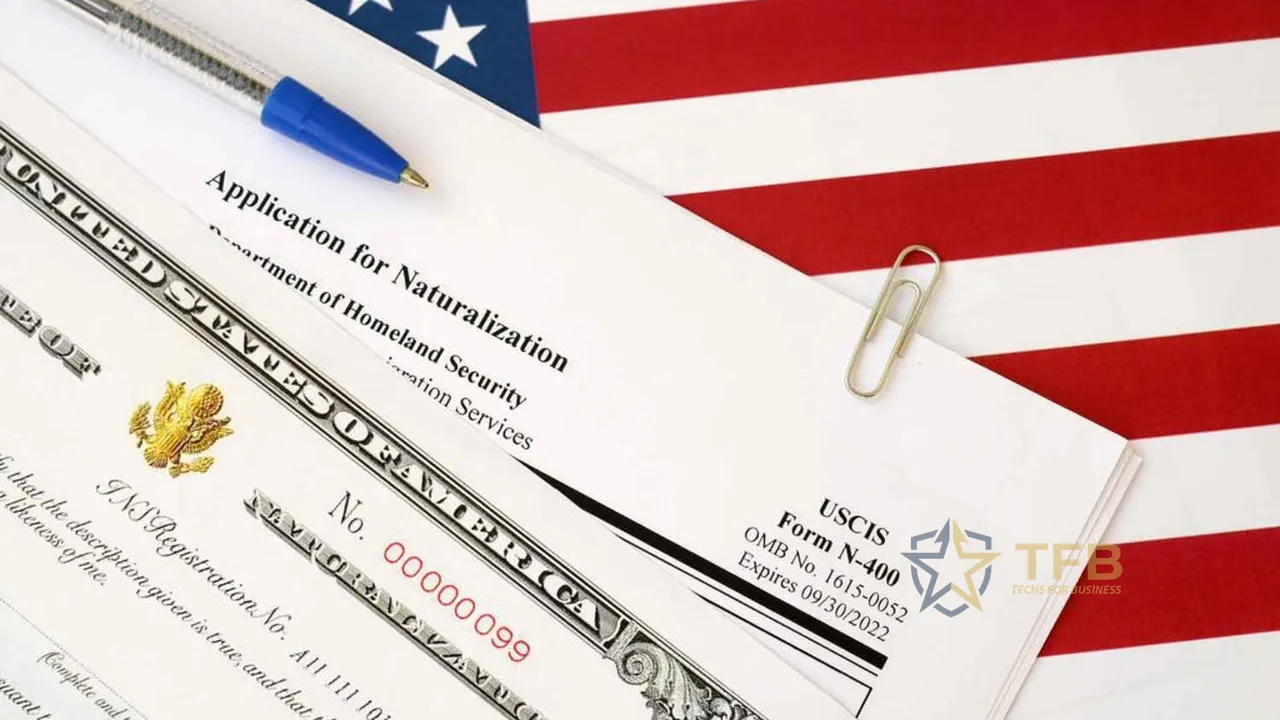
The Canada Startup Visa Program Requirements are designed to attract innovative entrepreneurs with scalable business ideas. Applicants must secure support from a designated Canadian incubator or angel investor group to be eligible for the program. The Canadian Program is expected to continue expanding in 2026.
Some high-net-worth individuals are exploring options such as Citizenship by Investment Program. These programs offer citizenship in exchange for a significant investment in the country’s economy, providing visa-free travel and other benefits. Programs like this one are very costly and should be approached with a high level of caution.
For managing immigration workflows, companies often leverage Customer Relationship Management (CRM) platforms. Salesforce and HubSpot can be customized to track visa applications, manage employee data, and automate communication with immigration authorities. These tools can enhance efficiency and ensure compliance with immigration regulations.
Step-by-Step Implementation Guide
- Assess Your Eligibility: Determine if you meet the requirements for the target country’s startup visa program, considering factors such as age, education, business experience, and investment capital.
- Develop a Business Plan: Create a detailed business plan outlining your business idea, market analysis, financial projections, and growth strategy.
- Secure Funding: Identify potential funding sources, such as venture capital, angel investors, or government grants, and develop a funding strategy.
- Seek Legal Counsel: Consult with an experienced immigration attorney to understand the legal requirements and navigate the application process.
- Prepare Your Application: Gather all required documents, including your business plan, financial statements, and personal information, and complete the application form accurately.
- Submit Your Application: Submit your application to the relevant immigration authorities and pay the required fees.
- Attend Interviews: Be prepared to attend interviews with immigration officials to discuss your business plan and demonstrate your commitment to the program.
- Obtain Your Visa: If your application is approved, obtain your startup visa and prepare to relocate to the target country.
- Establish Your Business: Set up your business operations, hire employees, and begin implementing your business plan.
- Comply with Regulations: Ensure that you comply with all relevant immigration regulations and reporting requirements.
Expert Insights & Future Trends
Experts predict that the competition for skilled entrepreneurs will continue to intensify in the coming years. Countries will increasingly offer tailored visa programs, tax incentives, and support services to attract innovative startups. We might also see an increase in “digital nomad” visas, aimed at attracting remote workers and entrepreneurs who can contribute to the local economy without establishing a physical presence.

According to Forbes, “The Startup Visa is a win for U.S. innovation and global entrepreneurs.” This sentiment highlights the growing recognition of the importance of attracting foreign entrepreneurs to drive economic growth and innovation. It’s predicted that this trend will strengthen the Immigration process for startups.
Furthermore, the use of artificial intelligence (AI) and machine learning (ML) is expected to transform the immigration process, enabling faster processing times, more accurate risk assessments, and personalized support for applicants. Automated systems can streamline document verification, conduct background checks, and identify potential fraud, freeing up immigration officers to focus on more complex cases.
Real-World Case Studies
Case Study 1: A Tech Startup in Canada
A software startup from India successfully immigrated to Canada through the Canada Startup Visa Program. The founders secured funding from a Canadian venture capital firm and established their headquarters in Toronto. Within three years, the company grew to over 50 employees and generated significant revenue, contributing to the Canadian economy.

Case Study 2: A Biotech Company in the UK
A biotechnology startup from the United States relocated to the United Kingdom through the Innovator Visa program. The founders developed a novel medical device and established partnerships with leading UK hospitals. The company attracted significant investment and created high-skilled jobs in the UK.
Frequently Asked Questions (FAQ)
- What is a startup visa?
A startup visa is a type of visa that allows foreign entrepreneurs to immigrate to a country to start and grow a business.
- What are the eligibility requirements for a startup visa?
The eligibility requirements vary depending on the country, but typically include factors such as age, education, business experience, and investment capital.

Investor Visa For Founders: Key insights for Immigration. - How long does it take to obtain a startup visa?
The processing time varies depending on the country and the complexity of the application, but it can typically take several months to a year.
- What are the benefits of obtaining a startup visa?
The benefits include access to larger markets, funding opportunities, talent acquisition, and a higher quality of life.
- What are the challenges of immigrating as a startup founder?
The challenges include cultural adjustment, separation from family and friends, language barriers, and complex immigration regulations.

Conclusion
Immigration continues to be a key driver of innovation and economic growth in 2026, and startup visas are playing an increasingly important role in attracting talented entrepreneurs from around the world. By understanding the various options available and implementing a strategic approach, aspiring startup founders can successfully navigate the immigration process and establish thriving businesses in new markets.
⚠️ Legal Disclaimer: The information provided in this article is for strategic educational purposes only and does not constitute legal, tax, or professional advice. Always consult with a qualified attorney or tax professional regarding your specific business or immigration situation.
🔗 Brand Disclaimer: We are not affiliated, associated, authorized, endorsed by, or in any way officially connected with any of the brands, companies, or government agencies (such as USCIS) mentioned. All product and company names are trademarks™ or registered® trademarks of their respective holders.