

💡 Key Takeaways: O-1A Visa
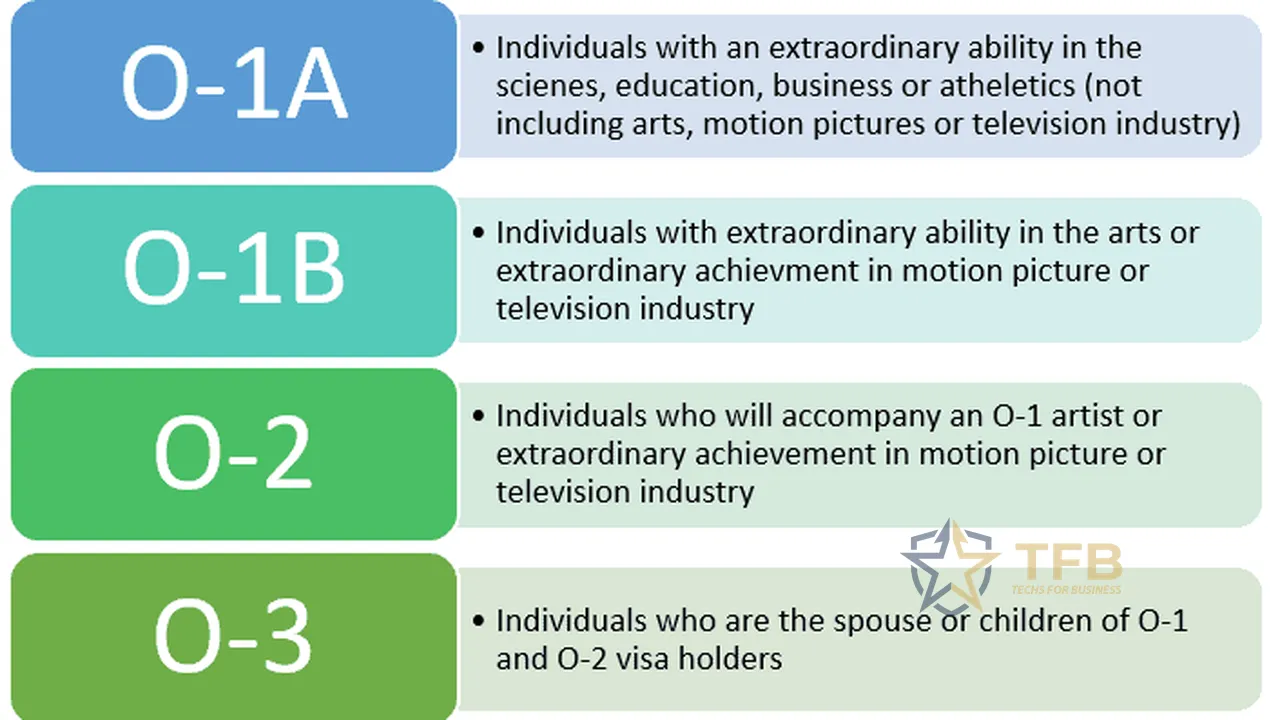
- The O-1A Visa is designed for individuals with extraordinary ability in the sciences, arts, education, business, or athletics.
- Eligibility hinges on demonstrating sustained national or international acclaim and recognition in your field.
- The visa offers significant advantages for entrepreneurs seeking to establish or expand their businesses in the United States.
- The application process can be complex, requiring substantial documentation and potentially benefiting from legal assistance.
- The O-1A Visa landscape is evolving, with increased scrutiny and a focus on quantifiable achievements.
The O-1A Visa represents a unique opportunity for entrepreneurs and professionals possessing extraordinary abilities to live and work in the United States. In February 2026, the O-1A Visa remains a coveted pathway for individuals seeking to contribute their talents and innovations to the US economy. While the fundamental requirements for the visa remain unchanged, the evaluation process has become increasingly rigorous, emphasizing verifiable accomplishments and demonstrable impact.
300×250
Detailed Overview & Historical Context
The O-1A Visa, a non-immigrant visa category, is specifically designated for individuals with extraordinary ability in the sciences, arts, education, business, or athletics. “Extraordinary ability” is defined as a level of expertise indicating that the person is one of a small percentage who have risen to the very top of their field. The O-1A Visa distinguishes itself from other employment-based visas, such as the H-1B, by not requiring a sponsoring employer in some specific cases for entrepreneurs. This facet of the O-1A Visa is particularly appealing to individuals who seek to establish their own ventures in the US.
Historically, the O-1A Visa has existed for decades, but its prominence among entrepreneurs has steadily increased in recent years. This surge in popularity is partly attributable to the growing global recognition of entrepreneurial talent and the increasing number of individuals pursuing innovative ventures across borders. Furthermore, the inherent flexibility of the O-1A Visa, which permits self-petitioning in certain circumstances, makes it an attractive option for individuals who may not have a traditional employment offer from a US-based company.

The criteria for demonstrating “extraordinary ability” are stringent and require applicants to provide substantial evidence of their accomplishments. This evidence may include documentation of awards, publications, memberships in prestigious organizations, high salary or compensation, and significant contributions to their respective fields. The United States Citizenship and Immigration Services (USCIS) carefully scrutinizes each application to ensure that the applicant truly meets the high standard required for O-1A Visa eligibility.
Comprehensive Benefits & Advantages
- Flexibility: The O-1A Visa allows individuals to work in their area of expertise for multiple employers or even be self-employed, providing flexibility that some other visas do not offer.
- No Annual Quota: Unlike the H-1B visa, the O-1A Visa is not subject to an annual quota, increasing the chances of approval.
- Extended Stay: The initial period of stay can be up to three years, with extensions possible in one-year increments.
- Travel Freedom: O-1A Visa holders can travel in and out of the United States without jeopardizing their visa status.
- Path to Permanent Residency: While not a direct path, the O-1A Visa can serve as a stepping stone to obtaining permanent residency (Green Card) in the United States.
- Family Benefits: Spouses and unmarried children under the age of 21 can apply for an O-3 Visa, allowing them to reside in the United States.
- Entrepreneurial Opportunities: For entrepreneurs, the O-1A Visa offers the opportunity to launch and grow their businesses in the US market, leveraging the country’s robust economy and access to capital.
O-1A Visa Pros & Cons
| Pros | Cons |
|---|---|
| No quota restrictions | High evidentiary standard |
| Flexibility in employment | Requires substantial documentation |
| Potential for extended stay | Complex application process |
| Opportunity for self-petitioning (in some cases) | Can be expensive due to legal fees |
| Pathway to permanent residency | Subject to USCIS scrutiny and interpretation |
Comparative Analysis
Navigating the O-1A Visa process can be overwhelming. Several US-based providers offer assistance with the application, but their services, pricing, and expertise vary. Selecting the right provider can significantly increase your chances of success. Here’s a comparison of four leading providers:

| Logo | Provider Name | Best For | Key Features | Pricing | Rating |
|---|---|---|---|---|---|
 |
Fragomen | Large Corporations | Global immigration services, comprehensive legal support, technology-driven solutions | Varies by case, typically higher end | 4.5/5 |
|
Ogletree Deakins | Businesses with complex labor needs | Extensive labor and immigration law expertise, representation in legal proceedings | Custom pricing, generally competitive | 4.2/5 |
|
Jackson Lewis | Employers facing workplace challenges | Focus on employer rights, defense against claims, proactive compliance strategies | Hourly rates or project-based fees | 4.0/5 |
|
SHRM (Society for Human Resource Management) | HR Professionals | Resources, tools, and training for HR professionals, legal compliance assistance, best practices | Membership fees vary | 4.7/5 |
336×280 / Responsive
Professional Solutions & Enterprise Tools
For those pursuing an O-1A Visa, several professional solutions and tools can streamline the process and increase the likelihood of success. From legal assistance to business plan development, these resources can prove invaluable. One crucial aspect is having a strong online presence. Individuals can enhance their online credibility through professional website builders like Wix or Squarespace. For managing client relationships and communications, Salesforce offers excellent CRM solutions, while HubSpot provides comprehensive marketing automation tools that can aid in building a strong professional brand. Legal professionals specializing in O-1A Visa applications are a key resource, providing expert guidance and representation throughout the process.
Step-by-Step Implementation Guide
- Assess Eligibility: Carefully review the O-1A Visa requirements and determine if you meet the criteria for “extraordinary ability.” Gather evidence of your achievements and accomplishments.
- Consult with an Immigration Attorney: Seek legal advice from an experienced immigration attorney who specializes in O-1A Visa cases. They can evaluate your case, identify potential challenges, and guide you through the application process.
- Gather Documentation: Compile all necessary documentation, including awards, publications, memberships, letters of recommendation, and evidence of significant contributions to your field. Ensure that all documents are translated into English if necessary.
- File the Petition: Your attorney will help you prepare and file Form I-129, Petition for a Nonimmigrant Worker, with USCIS. Include all required documentation and pay the filing fee.
- Attend an Interview (If Required): In some cases, USCIS may require you to attend an interview to verify the information provided in your petition.
- Visa Interview (If Abroad): If you are outside the United States, you will need to attend a visa interview at a US embassy or consulate in your country of residence.
- Enter the United States: Once your O-1A Visa is approved, you can enter the United States and begin working in your area of expertise.
Expert Insights & Future Trends
Immigration law is constantly evolving. In February 2026, the focus on “extraordinary ability” is sharper than ever. According to recent data, USCIS is placing greater emphasis on quantifiable achievements and independent validation of an applicant’s accomplishments. This trend is expected to continue, making it even more crucial for applicants to present a strong and well-documented case. Future trends may also include increased use of technology in the application process, such as online portals and virtual interviews. Additionally, there may be further scrutiny of an applicant’s online presence and social media activity to assess their credibility and reputation.
😬 The Ergonomic Lies That Are *Wrecking* Your Body (Before It’s Too Late!)
Real-World Case Studies
Case Study 1: Dr. Anya Sharma, Biotechnology Entrepreneur
Dr. Sharma, a renowned biotechnologist with multiple patents and publications, successfully obtained an O-1A Visa to launch her own biotech startup in the United States. Her extensive research and development work, coupled with strong letters of recommendation from leading scientists, demonstrated her extraordinary ability in the field.
Case Study 2: Mr. Kenji Tanaka, AI Innovator
Mr. Tanaka, an AI innovator, secured an O-1A Visa based on his groundbreaking work in developing artificial intelligence algorithms. His innovations had been widely adopted in the tech industry, leading to significant improvements in efficiency and productivity. He received letters of support from multiple tech companies, further solidifying his extraordinary ability.

Frequently Asked Questions (FAQ)
- What is the definition of “extraordinary ability” for the O-1A Visa?
“Extraordinary ability” means a level of expertise indicating that the individual is one of a small percentage who have risen to the very top of their field. - Can I self-petition for an O-1A Visa as an entrepreneur?
Yes, in certain circumstances, entrepreneurs can self-petition for an O-1A Visa if they can demonstrate that they will be working in their area of expertise and that they meet the other eligibility requirements. - How long can I stay in the United States on an O-1A Visa?
The initial period of stay can be up to three years, with extensions possible in one-year increments. - Can my family members accompany me to the United States on an O-1A Visa?
Yes, your spouse and unmarried children under the age of 21 can apply for an O-3 Visa, allowing them to reside in the United States. - What are some common reasons for O-1A Visa denials?
Common reasons for denials include insufficient evidence of extraordinary ability, lack of clear documentation, and failure to demonstrate sustained national or international acclaim.
Conclusion
The O-1A Visa remains a powerful tool for entrepreneurs and professionals with extraordinary abilities seeking to make their mark in the United States. While the application process can be demanding, the benefits of obtaining an O-1A Visa, including flexibility, no quota restrictions, and the potential for permanent residency, make it a worthwhile pursuit for those who qualify. As of February 2026, the emphasis on quantifiable achievements and demonstrable impact is likely to intensify, underscoring the importance of meticulous preparation and expert legal guidance for any individual contemplating an O-1A Visa application. The O-1A Visa can truly be your extraordinary “ability” ticket to success.
⚠️ Legal Disclaimer: The information provided in this article is for strategic educational purposes only and does not constitute legal, tax, or professional advice. Always consult with a qualified attorney or tax professional regarding your specific business or immigration situation.

🔗 Brand Disclaimer: We are not affiliated, associated, authorized, endorsed by, or in any way officially connected with any of the brands, companies, or government agencies (such as USCIS) mentioned. All product and company names are trademarks™ or registered® trademarks of their respective holders.