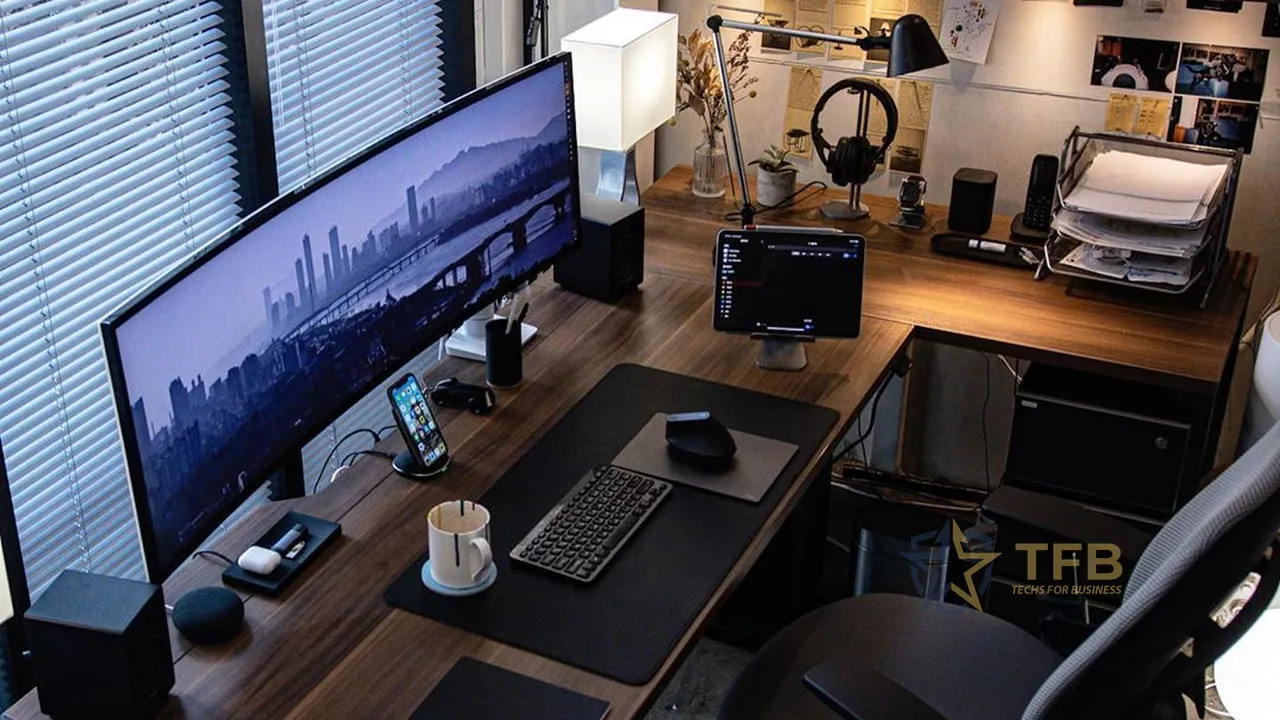
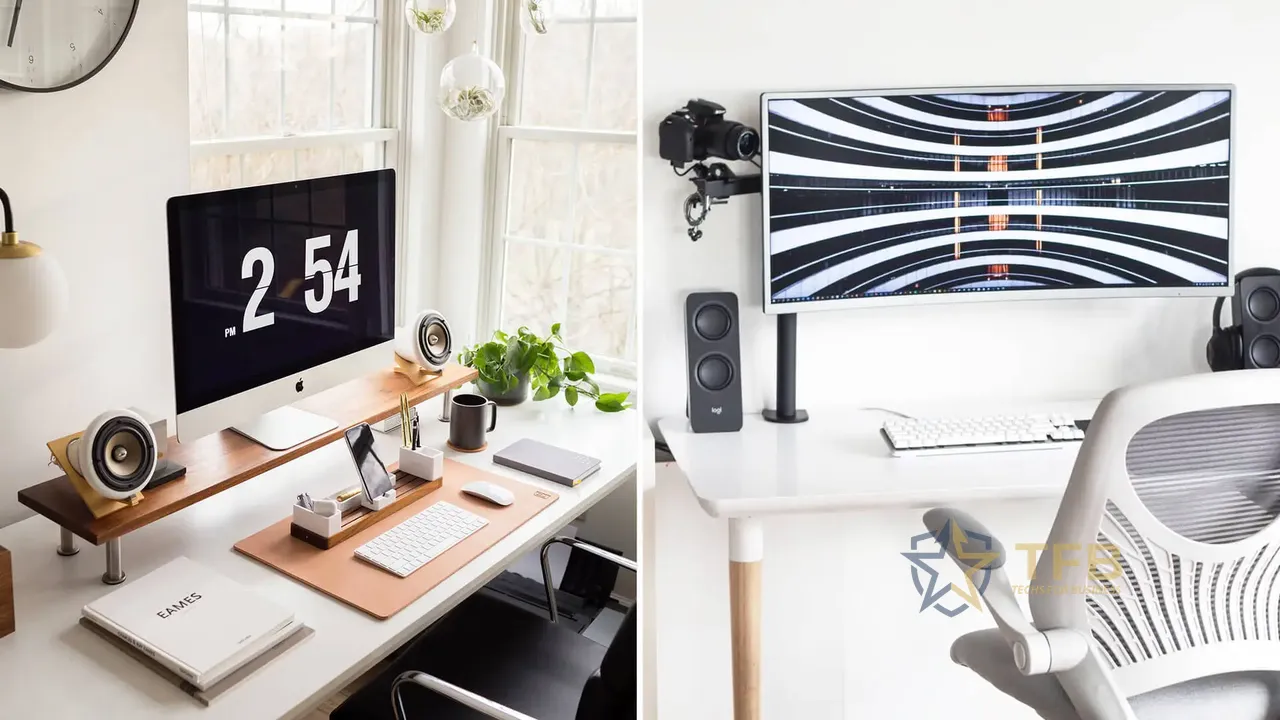
💡 Key Takeaways: Office Setup
- Prioritize ergonomic solutions to mitigate long-term health risks.
- A well-designed **Office Setup** can significantly boost productivity and employee morale.
- Regularly evaluate and adjust your **Office Setup** to adapt to changing needs and technologies.
- Investing in high-quality, adjustable equipment is crucial for a comfortable and healthy workspace.
- Consider both the physical and digital aspects of your **Office Setup** for a holistic approach.
Office Setup is more than just arranging furniture; it’s about creating a functional, comfortable, and inspiring workspace that promotes productivity and well-being. A thoughtfully designed **Office Setup** can significantly impact employee satisfaction, reduce health risks, and ultimately boost the bottom line. This authority article will delve into the intricacies of creating an optimal **Office Setup** in 2026, considering the latest ergonomic research, technological advancements, and evolving workplace trends.
300×250
Detailed Overview & Historical Context
The concept of the **Office Setup** has evolved dramatically over the decades. In the early 20th century, offices were often characterized by rows of desks and hierarchical layouts, reflecting a command-and-control management style. As technology advanced, particularly with the advent of personal computers, the **Office Setup** began to adapt. Cubicles became ubiquitous in the latter half of the century, offering a semblance of privacy while still maintaining a relatively open floor plan. However, the drawbacks of cubicle farms, such as reduced collaboration and feelings of isolation, soon became apparent. A recent report indicates a shift towards more flexible and collaborative **Office Setup** designs, prioritizing employee well-being and innovation.
Today, in 2026, the ideal **Office Setup** emphasizes adaptability, ergonomics, and technology integration. The rise of remote work and hybrid models has further complicated the equation, requiring businesses to create both effective in-office spaces and supportive remote work environments. Moreover, emerging research highlights the hidden dangers of prolonged sitting and poorly designed workspaces. As reported in late 2025, numerous lawsuits were filed against companies for failing to provide adequate ergonomic support, leading to musculoskeletal disorders among employees. It’s more important than ever to analyze ‘😬 The Ergonomic Lies That Are *Wrecking* Your Body (Before It’s Too Late!)’ and implement effective **Office Setup** solutions.
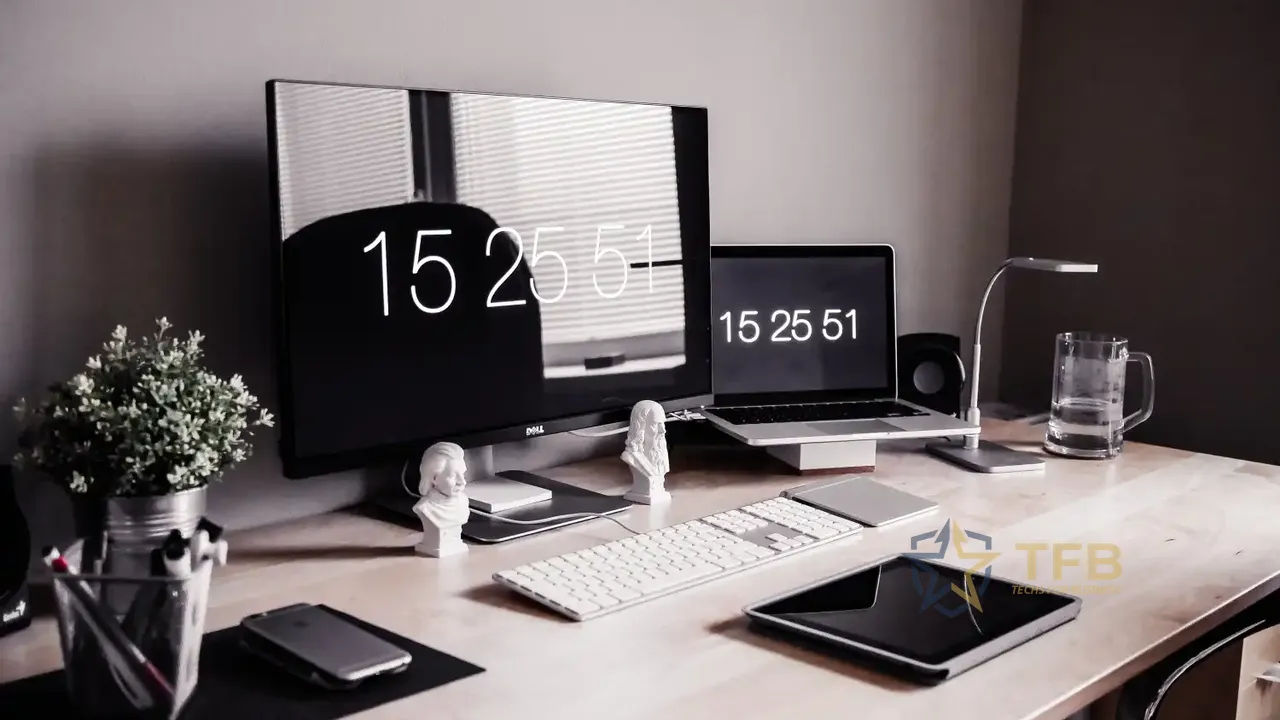
Comprehensive Benefits & Advantages
A well-planned **Office Setup** offers a multitude of benefits. It’s not just about aesthetics; it’s a strategic investment in your workforce and your company’s future. Here are some key advantages:
- Increased Productivity: An ergonomic and comfortable **Office Setup** reduces distractions and physical discomfort, allowing employees to focus on their tasks.
- Improved Employee Morale: A pleasant and supportive work environment fosters a sense of belonging and boosts employee morale.
- Reduced Health Risks: Ergonomic furniture and proper workstation design can minimize the risk of musculoskeletal disorders, such as carpal tunnel syndrome and back pain.
- Enhanced Collaboration: Thoughtfully designed spaces can encourage interaction and teamwork.
- Attracting and Retaining Talent: A modern and well-equipped **Office Setup** can be a significant draw for prospective employees and help retain existing talent.
- Brand Image: The **Office Setup** reflects the company’s culture and values, contributing to its overall brand image.
- Cost Savings: By reducing absenteeism due to health issues and increasing productivity, a well-designed **Office Setup** can lead to significant cost savings in the long run.
- Adaptability: Modern **Office Setup** designs often incorporate modular and flexible elements, allowing businesses to easily adapt to changing needs.
Office Setup Pros & Cons
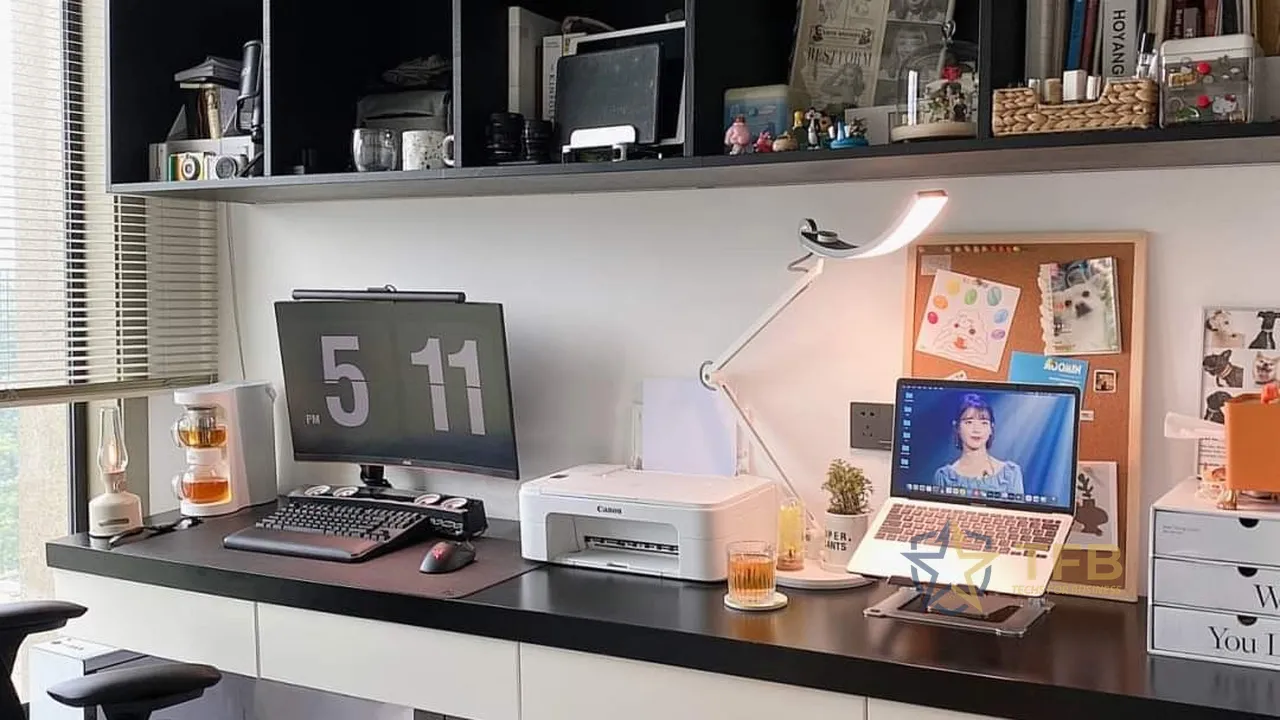
While the benefits of a well-designed **Office Setup** are numerous, it’s important to consider both the advantages and disadvantages before making significant investments.
| Pros | Cons |
|---|---|
|
|
Comparative Analysis: US-Based Office Setup Providers
Choosing the right provider for your **Office Setup** needs is crucial. Here’s a comparison of four leading US-based companies:
| Logo | Provider Name | Best For | Key Features | Pricing | Rating |
|---|---|---|---|---|---|
 |
Herman Miller | High-end Ergonomic Furniture | Ergonomic chairs, adjustable desks, modular systems, sustainable materials | $$$$ | 4.8/5 |
|
Steelcase | Comprehensive Office Solutions | Furniture, technology integration, space planning, architectural solutions | $$$ | 4.5/5 |
|
Branch Furniture | Modern and Affordable Furniture | Desks, chairs, storage, meeting room solutions, focus on value | $$ | 4.3/5 |
|
Fully | Standing Desks and Ergonomic Accessories | Standing desks, ergonomic chairs, monitor arms, desk converters, focus on movement | $$$ | 4.6/5 |
336×280 / Responsive
Professional Solutions & Enterprise Tools
Beyond basic furniture, professional solutions and enterprise tools are essential components of a modern **Office Setup**. These include:
- Collaboration Platforms: Microsoft Teams, Slack, and Zoom facilitate communication and teamwork, especially in hybrid work environments.
- Project Management Software: Tools like Asana, Trello, and Monday.com help teams organize and track projects efficiently.
- Customer Relationship Management (CRM): Systems like Salesforce and HubSpot are crucial for managing customer interactions and data.
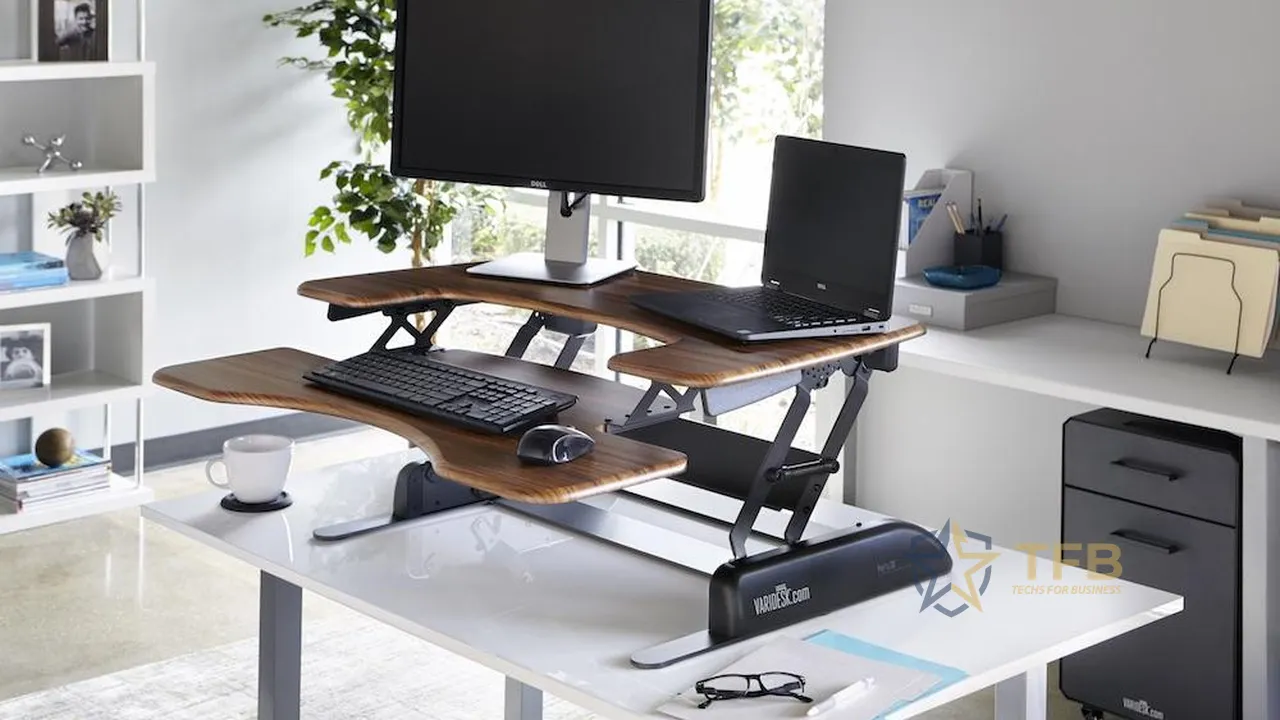
- Ergonomic Equipment: Investing in high-quality ergonomic equipment is crucial. Consider an Ergonomic Office Chair, a Standing Desk Converter, a Lumbar Support Cushion, an Adjustable Monitor Arm, and a Wrist Rest for Keyboard.
A key aspect of **Office Setup** in 2026 is the integration of these tools to create a seamless and productive workflow. Companies are increasingly adopting cloud-based solutions and automation technologies to streamline operations and improve efficiency.
Step-by-Step Implementation Guide
Setting up an effective office environment requires careful planning and execution. Here’s a step-by-step guide:
- Assess Needs: Determine the specific needs of your employees and business. Consider factors such as the number of employees, work style, and technology requirements.
- Plan the Layout: Design a layout that optimizes space utilization and promotes collaboration. Consider different types of workspaces, such as open areas, private offices, and meeting rooms.
- Choose Furniture and Equipment: Select ergonomic furniture and equipment that meets the needs of your employees. Prioritize adjustable features and high-quality materials.
- Implement Technology: Integrate technology solutions that support communication, collaboration, and productivity. Ensure that employees have access to the necessary software and hardware.
- Create a Comfortable Environment: Pay attention to factors such as lighting, temperature, and air quality. Create a welcoming and comfortable atmosphere that promotes well-being.
- Provide Training and Support: Train employees on how to use new equipment and software. Provide ongoing support to address any issues or concerns.
- Evaluate and Adjust: Regularly evaluate the effectiveness of your **Office Setup** and make adjustments as needed. Solicit feedback from employees and monitor key performance indicators.
Expert Insights & Future Trends
Experts predict that the future of **Office Setup** will be shaped by several key trends. These include:
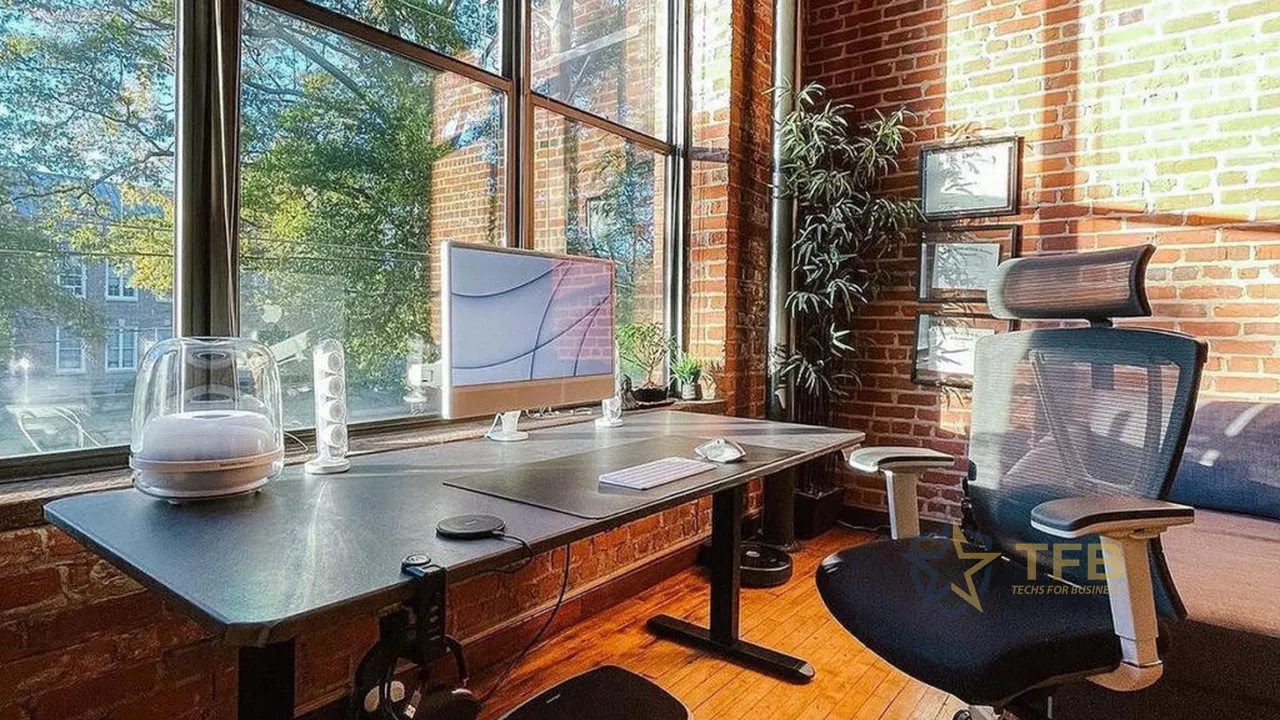
- Increased Focus on Biophilic Design: Incorporating natural elements, such as plants and natural light, to create a more calming and productive environment.
- Smart Office Technologies: Using sensors and data analytics to optimize space utilization, energy consumption, and employee well-being.
- Personalized Workspaces: Allowing employees to customize their workspaces to meet their individual needs and preferences.
- Emphasis on Wellness: Integrating wellness programs and facilities, such as fitness centers and meditation rooms, into the **Office Setup**.
- Flexible and Agile Designs: Creating spaces that can be easily reconfigured to accommodate changing team sizes and project requirements.
As technology continues to evolve and the workforce becomes more diverse, the **Office Setup** will need to adapt to meet the changing needs of businesses and employees.
Real-World Case Studies
Here are a couple of real-world case studies demonstrating the impact of a well-designed **Office Setup**:
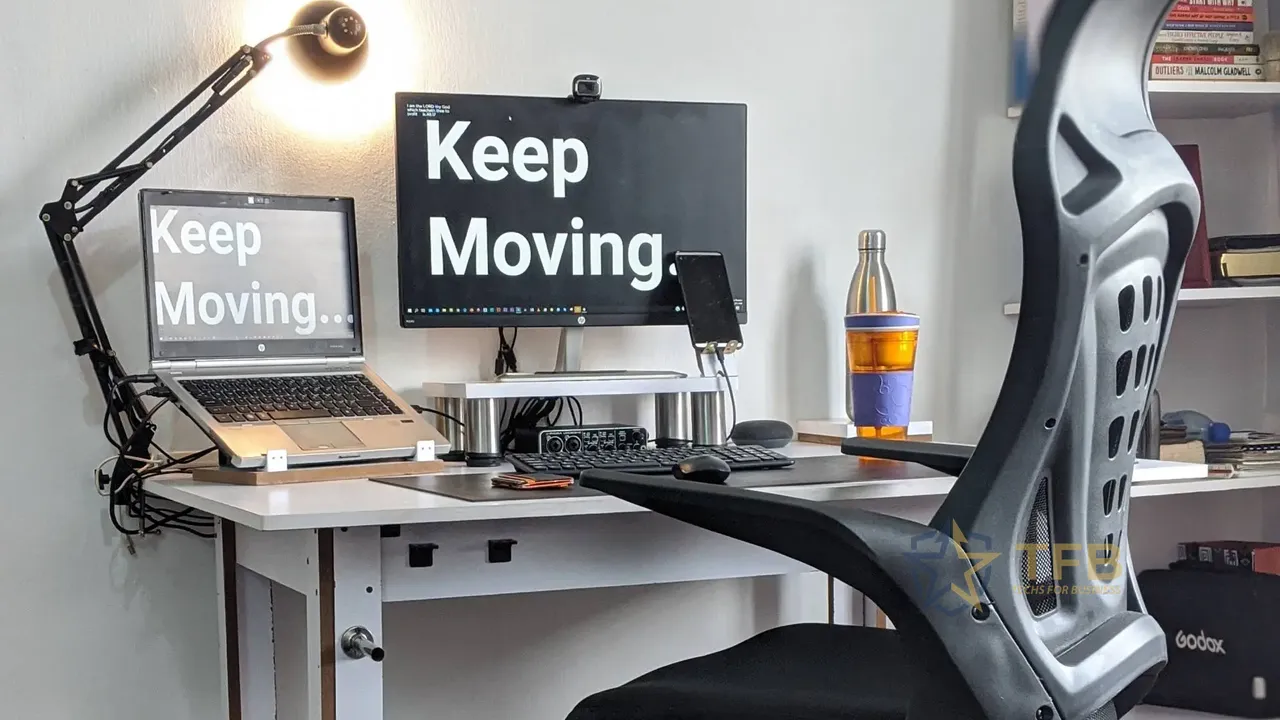
- Company A: A technology company implemented a new **Office Setup** that included standing desks, ergonomic chairs, and collaborative workspaces. As a result, employee productivity increased by 15%, and absenteeism decreased by 10%.
- Company B: A financial services firm redesigned its **Office Setup** to incorporate biophilic design elements, such as plants and natural light. Employee satisfaction scores increased by 20%, and stress levels decreased by 12%.
These case studies illustrate the tangible benefits of investing in a thoughtfully designed **Office Setup**.
Frequently Asked Questions (FAQ)
- Q: What are the key elements of an ergonomic **Office Setup**?
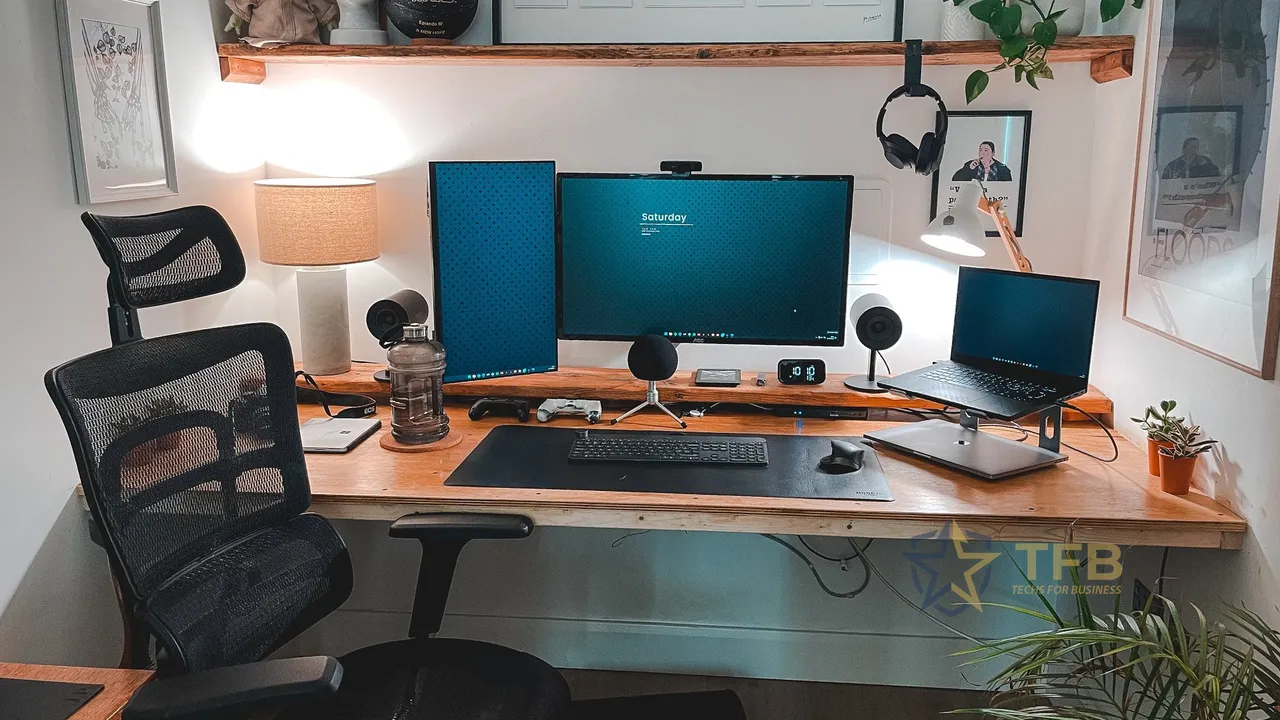
A: Key elements include an adjustable chair, a properly positioned monitor, a comfortable keyboard and mouse, and adequate lumbar support. - Q: How can I create a collaborative **Office Setup**?
A: Consider open workspaces, meeting rooms, and shared areas that encourage interaction and communication. - Q: What are the benefits of a standing desk?
A: Standing desks can help reduce sedentary behavior, improve posture, and boost energy levels. - Q: How often should I evaluate my **Office Setup**?
A: It’s recommended to evaluate your **Office Setup** at least once a year or whenever there are significant changes in your business or workforce. - Q: How can I create a comfortable **Office Setup** on a budget?
A: Focus on prioritizing ergonomic essentials, such as an adjustable chair and monitor stand. Consider purchasing used or refurbished equipment to save money.
Conclusion
The **Office Setup** is a critical factor in determining employee productivity, well-being, and overall business success. By prioritizing ergonomics, technology integration, and employee needs, companies can create a workspace that fosters innovation, collaboration, and a positive work environment. As we move further into 2026, the **Office Setup** will continue to evolve, driven by technological advancements and changing workplace trends. Embracing these changes and investing in a well-designed **Office Setup** is essential for staying competitive and attracting top talent.
⚠️ Legal Disclaimer: The information provided in this article is for strategic educational purposes only and does not constitute legal, tax, or professional advice. Always consult with a qualified attorney or tax professional regarding your specific business or immigration situation.
🔗 Brand Disclaimer: We are not affiliated, associated, authorized, endorsed by, or in any way officially connected with any of the brands, companies, or government agencies (such as USCIS) mentioned. All product and company names are trademarks™ or registered® trademarks of their respective holders.