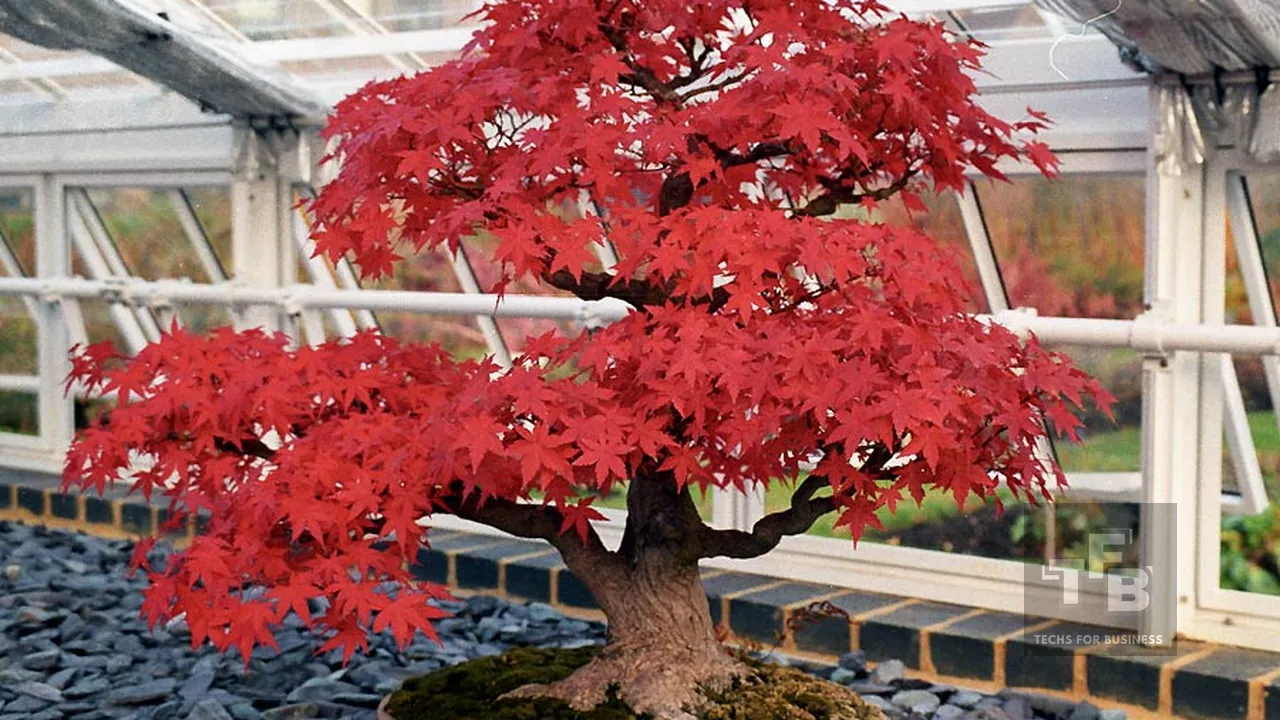
💡 Key Takeaways: Bonsai
- Bonsai is an ancient art form that cultivates miniature trees in containers, requiring specialized care and techniques.
- Root pruning is a critical aspect of Bonsai care, directly impacting the tree’s health and longevity.
- Improper root pruning techniques can lead to irreversible damage and the potential loss of the Bonsai.
- Understanding the root system and its functions is essential for successful Bonsai cultivation.
- Future trends in Bonsai care involve advanced diagnostics and precision pruning tools to minimize risk.
Bonsai : A Comprehensive Guide to the Art of Miniature Trees
Bonsai, the ancient Japanese art of growing miniature trees in containers, is more than just horticulture; it’s a living art form. It demands patience, precision, and a deep understanding of plant physiology. As of January 2026, the Bonsai community is increasingly focused on refining techniques, especially concerning root pruning, to avoid fatal mistakes that can destroy decades of growth.
300×250
Detailed Overview & Historical Context
The term “Bonsai ” literally translates to “planted in a container.” Its origins can be traced back over a thousand years to the Chinese art of penjing, which was later adopted and refined by the Japanese. Bonsai is not simply about dwarfing a tree; it’s about creating a miniature representation of nature, capturing the essence of age and resilience in a small pot. The practice involves a range of techniques, including pruning, wiring, and careful attention to soil composition, watering, and fertilization.
Root pruning is arguably one of the most critical aspects of Bonsai care. The roots of a tree are responsible for absorbing water and nutrients from the soil, and in the confined space of a Bonsai pot, they can quickly become overcrowded. Overcrowding leads to a host of problems, including nutrient deficiencies, poor drainage, and root rot. Proper root pruning stimulates new growth, improves nutrient uptake, and helps maintain the tree’s compact size and aesthetic appeal. However, incorrect techniques are devastating, leading to irreversible damage and, ultimately, the demise of the Bonsai .

In recent years, the Bonsai community has witnessed an increase in discussions surrounding the common pitfalls of root pruning. Forums and online resources are filled with cautionary tales of Bonsai enthusiasts who have unintentionally harmed their trees through improper techniques. This heightened awareness has led to a greater emphasis on education and the development of more precise tools and methods.
Comprehensive Benefits & Advantages
- Aesthetic Appeal: Bonsai creates a unique and beautiful miniature landscape.
- Therapeutic Value: The practice of Bonsai is meditative and stress-relieving.
- Space-Saving: Bonsai allows you to enjoy nature even in small living spaces.
- Intellectual Stimulation: Bonsai requires constant learning and experimentation.
- Long-Term Investment: Well-cared-for Bonsai can increase in value over time.
- Environmental Awareness: Cultivating Bonsai fosters a deeper appreciation for nature and the environment.
- Personal Growth: Bonsai teaches patience, discipline, and attention to detail.
Bonsai Pros & Cons
| Pros | Cons |
|---|---|
| Visually stunning and unique | Requires specialized knowledge and skills |
| Therapeutic and meditative practice | Can be time-consuming and demanding |
| Relatively small and easy to display | Susceptible to pests and diseases |
| Can be a long-term investment | Initial setup costs can be high |
| Fosters a connection with nature | Root pruning mistakes can be fatal |
Comparative Analysis: Bonsai Provider Landscape
The Bonsai market is served by a variety of providers, each offering different strengths and specializations. Below is a comparative analysis of some leading US-based providers as of January 2026:

| Logo | Provider Name | Best For | Key Features | Pricing | Rating |
|---|---|---|---|---|---|
 |
Bonsai Outlet | Beginners | Wide selection of starter Bonsai, detailed care guides | $25 – $200 | 4.5/5 |
|
Eastern Leaf | Intermediate Growers | High-quality Bonsai and tools, personalized consultations | $100 – $500 | 4.7/5 |
|
Bonsai West | Advanced Collectors | Rare and established Bonsai, expert workshops | $300 – $2000+ | 4.8/5 |
|
Mendon Lea Bonsai | Specialty Species | Focus on specific species like Japanese Maple, intensive care guides | $75 – $750 | 4.6/5 |
336×280 / Responsive
Professional Solutions & Enterprise Tools
For professional Bonsai cultivators and nurseries, specialized tools and software solutions are becoming increasingly important. High-precision moisture sensors, nutrient analysis kits, and advanced pruning tools are now readily available. Furthermore, business management software such as Salesforce and HubSpot are being adapted to manage inventory, customer relationships, and sales for Bonsai businesses.
Professional Solutions: Bonsai nurseries are leveraging software platforms designed for agriculture. These platforms often integrate with hardware, such as soil sensors, and manage environmental controls. Many Bonsai experts believe that AI-driven predictive analysis will play a bigger role in managing plant health.

Given the high value of mature Bonsai specimens, protecting them from theft or damage is paramount. Therefore, high-end security systems, coupled with insurance policies tailored for valuable plant collections, are essential considerations for serious Bonsai enthusiasts and businesses.
Step-by-Step Implementation Guide: Root Pruning for Bonsai
Here’s a practical guide on how to perform root pruning safely and effectively:

- Preparation: Gather your tools: a Bonsai root rake, sharp scissors or root cutters, fresh Bonsai soil, and a clean workspace.
- Assessment: Gently remove the Bonsai from its pot. Use the root rake to carefully loosen the soil around the roots.
- Inspection: Examine the root ball. Identify any circling, congested, or dead roots.
- Pruning: Using sharp, sterilized scissors or root cutters, prune away approximately 1/3 to 1/4 of the root mass. Focus on removing thick, circling roots and any dead or diseased roots.
- Repotting: Place a layer of fresh Bonsai soil in the bottom of the pot. Position the Bonsai in the pot and fill the remaining space with fresh soil, gently working it around the roots.
- Watering: Water the Bonsai thoroughly until water drains from the bottom of the pot.
- Post-Care: Place the Bonsai in a sheltered location for a few weeks to allow it to recover from the repotting and root pruning. Avoid direct sunlight and extreme temperatures.
Expert Insights & Future Trends
Experts in the Bonsai community emphasize the importance of understanding the specific needs of each tree species. Factors such as age, health, and environmental conditions should all be considered when determining the extent of root pruning. Looking ahead, advancements in plant diagnostics are expected to play a significant role in Bonsai care. Miniature sensors capable of monitoring soil moisture, nutrient levels, and root health will provide valuable data to inform pruning decisions. According to recent data, the global gardening market continues to grow, suggesting an increasing interest in horticulture and specialized areas like Bonsai .
Real-World Case Studies
Case Study 1: The Revitalization of a Neglected Juniper: A Bonsai enthusiast acquired a neglected Juniper Bonsai with severely root-bound roots. Through careful and gradual root pruning over several repotting sessions, combined with improved soil composition and fertilization, the tree was successfully revitalized and transformed into a stunning specimen.

Case Study 2: The Impact of Over-Pruning: A novice Bonsai grower, eager to control the size of their tree, aggressively pruned the roots of a Japanese Maple. The tree experienced significant stress, resulting in leaf drop and stunted growth. It took several years of careful nursing to restore the tree to its former health.
Frequently Asked Questions (FAQ)
- How often should I root prune my Bonsai ? Generally, every 1-3 years, depending on the species and growth rate.
- What is the best time of year to root prune? Typically, in early spring, just before the growing season begins.
- Can I root prune all types of Bonsai ? Yes, but the technique and frequency may vary depending on the species.
- What are the signs of root-bound Bonsai ? Slow growth, yellowing leaves, and roots circling the inside of the pot.
- What type of soil should I use for repotting after root pruning? A well-draining Bonsai soil mix that is appropriate for the specific tree species.
Conclusion
Mastering the art of Bonsai requires a delicate balance of knowledge, skill, and patience. Root pruning is a crucial element of Bonsai care, and understanding the potential pitfalls is essential for preventing irreversible damage. By adopting best practices, staying informed about new advancements, and learning from the experiences of others, Bonsai enthusiasts can cultivate thriving miniature trees that bring joy and beauty for generations to come. The future of Bonsai relies on sharing best practices, preventing mistakes, and embracing tools to aid the Bonsai process.