Key Takeaways:
- Understanding the limitations of Free Vpn services is crucial for online security.
- Users should weigh the pros and cons of Free Vpn options carefully, particularly regarding data privacy.
- A comparative analysis helps select a suitable Free Vpn based on specific needs and risks.
- Professional VPN solutions often provide enhanced security and features worth the investment.
- Regularly updating your VPN client and understanding the provider’s privacy policy is essential.
Free VPN: The Ultimate Guide to Secure Browsing Without the Price Tag
A Free Vpn offers a tempting solution to privacy concerns. It promises secure internet access without cost. However, a closer examination reveals a more complex landscape. This article dives into the world of free VPNs. It explores their benefits, limitations, and how they stack up against paid alternatives. reference to Free Vpn options can seem attractive, but understanding their potential drawbacks is paramount for online security.
Choosing a Free Vpn requires careful consideration. Factors such as data caps, speed restrictions, and logging policies are important. Many free services operate by selling user data or displaying intrusive ads. reference to Free Vpn solutions present both opportunities and risks. Therefore, understanding these nuances is crucial for making informed decisions about your online privacy. This guide aims to provide that understanding.
Detailed Overview & Historical Context
The concept of a Virtual Private Network (VPN) emerged as a solution for secure remote access. Businesses needed to connect employees to internal networks. VPNs provided encrypted tunnels for data transmission. This ensured confidentiality and integrity. Over time, the need for personal online privacy grew. This drove the development of VPN services for individual users. The initial focus was on masking IP addresses and bypassing geographical restrictions.
Free VPN services arose as a response to the demand for affordable privacy solutions. Early providers often relied on limited server infrastructure and basic encryption protocols. Some operated as volunteer projects. Others were funded by advertising or data collection. The quality and reliability of these early services varied widely. This is important to understand before you select a Free Vpn. As awareness of online privacy threats increased, the market for both free and paid VPNs expanded significantly. Technological advancements have also played a crucial role. This means better encryption algorithms and improved server performance is now readily available.
The history of Free Vpn options is marred by security breaches and privacy violations. Some providers have been caught logging user data. Others have been found distributing malware. These incidents highlight the risks associated with trusting unknown or unverified free VPN services. Today, the landscape is more diverse. Users now have access to a wider range of free and premium options. However, due diligence is essential when selecting a VPN provider. You have to research the provider’s reputation and security practices.
Comprehensive Benefits & Advantages
- Bypassing Geo-Restrictions: Access content blocked in your region. Stream videos from different countries.
- Enhanced Privacy: Mask your IP address and location. Prevent websites from tracking your browsing activity.
- Secure Public Wi-Fi Connections: Protect your data on unsecured public networks. Encrypt your traffic to prevent eavesdropping.
- Accessing Blocked Websites: Bypass censorship and access restricted websites. Circumvent government or workplace filters.
- Cost Savings: Enjoy basic VPN functionality without paying a subscription fee. A good option for light usage and testing.
- Anonymity: Maintain privacy while torrenting or sharing files. Protect your identity from prying eyes.
Free Vpn Pros & Cons
| Pros | Cons |
|---|---|
| Cost: No subscription fees required. | Limited Bandwidth: Data caps and speed restrictions. |
| Basic Privacy: Masks IP address and encrypts traffic. | Potential Logging: Some providers log user activity. |
| Easy to Use: Simple interface for quick setup. | Intrusive Ads: Frequent pop-ups and banner ads. |
| Access Geo-Restricted Content: Bypass regional restrictions. | Security Risks: Malware and data breaches. |
| Good for Light Usage: Suitable for basic browsing. | Unreliable Performance: Inconsistent connection speeds. |
Comparative Analysis of Free Vpn Providers (US Market Focus)
| Provider Name | Best For (Target Audience) | Key Features | Pricing (Starting Price) | Rating (out of 5) |
|---|---|---|---|---|
| ProtonVPN Free | Privacy-conscious users, students | No data caps, strong encryption, Swiss-based | Free | 4.5 |
| Windscribe Free | Casual users, testing VPNs | 10GB monthly data, multiple server locations, ad blocker | Free | 4.0 |
| TunnelBear Free | Beginners, occasional use | Easy-to-use interface, 500MB monthly data | Free | 3.5 |
| Hide.me Free | Users prioritizing anonymity, basic tasks | No logs, limited server selection | Free | 3.8 |
Professional Solutions & Enterprise Tools
For businesses requiring robust security and reliable performance, professional VPN solutions are essential. These solutions offer advanced features, dedicated support, and enhanced security protocols. Business VPN Pricing typically depends on the number of users and the features required.
The Best VPN for Small Business should provide a balance of security, performance, and affordability. Features like dedicated IP addresses, multiple server locations, and 24/7 support are crucial. Consider solutions from reputable providers that offer business-specific plans. Business VPN Pricing can range from $10 to $30 per user per month, depending on the features and level of support.
Proven Solution: NordLayer offers comprehensive security solutions for businesses, including dedicated servers and centralized management. Another powerful option is Perimeter 81. Perimeter 81 focuses on providing secure network access for remote teams and distributed workforces. They offer flexible plans and robust security features.
These VPN solutions are crucial for businesses wanting a Free Vpn for Android – Stop Slow Speeds Now!

Step-by-Step Implementation Guide
- Choose a Reputable Free Vpn Provider: Research and select a provider with a good reputation and a clear privacy policy.
- Download and Install the VPN Client: Visit the provider’s website and download the VPN client for your operating system.
- Create an Account (If Required): Some providers require you to create a free account before using their service.
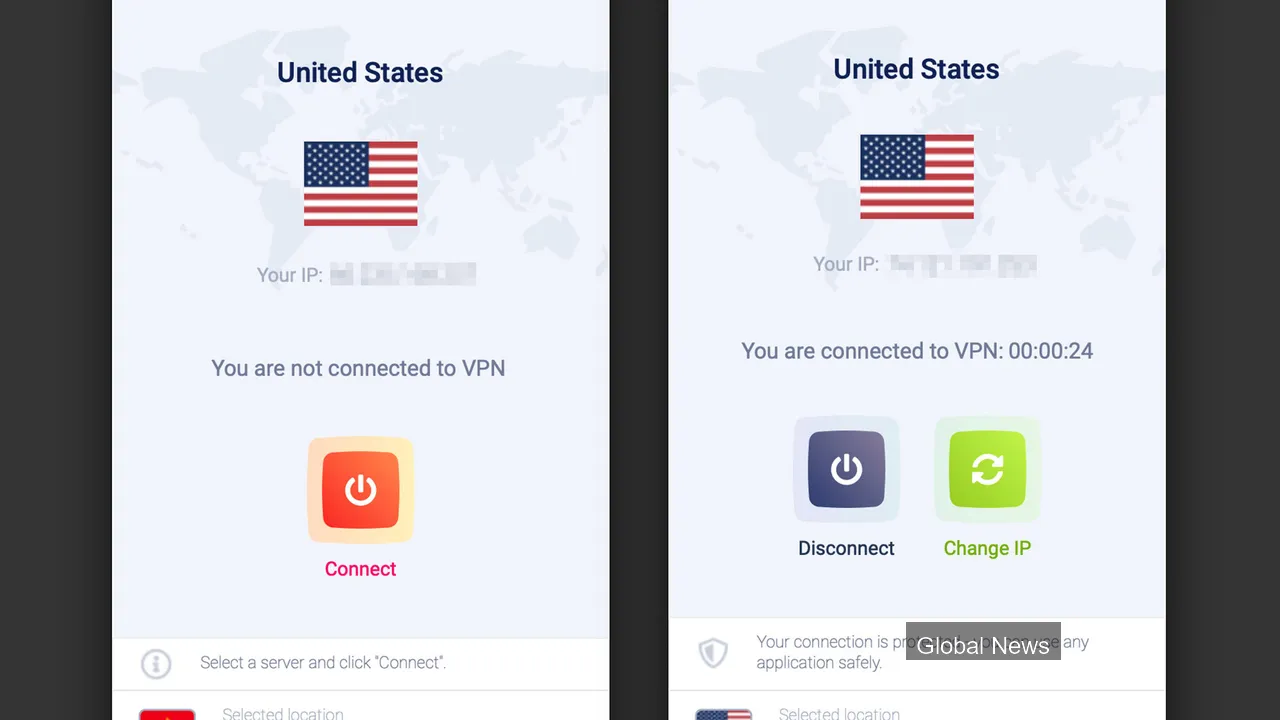
- Connect to a VPN Server: Open the VPN client and select a server location from the available list.
- Verify Your Connection: Use a website like whatismyipaddress.com to verify that your IP address has been changed.
- Configure Additional Settings: Explore the VPN client’s settings to configure features like a kill switch and DNS leak protection.
- Regularly Update the VPN Client: Keep your VPN client up to date to ensure you have the latest security patches.
Expert Insights & Future Trends
The future of VPN technology involves several key trends. Increased focus on user privacy and data security will drive innovation. VPN providers are adopting advanced encryption algorithms and implementing stricter no-logs policies. Quantum-resistant encryption is emerging. It aims to protect data from future quantum computing attacks. The integration of VPN functionality into routers and other network devices will simplify setup and management. Technologies like WireGuard protocol are set to replace older technologies.
AI-powered VPNs are also on the horizon. These solutions use artificial intelligence to optimize server selection and enhance security. They will also be used to detect and block malicious traffic. Blockchain technology is being explored. It is supposed to create decentralized VPN networks. These networks will enhance transparency and reduce the risk of censorship.
For more, see this guide: Ultimate SEO Algorithm Guide: SEO Algorithm.
Real-World Case Studies
Case Study 1: Protecting Journalists in High-Risk Environments: Journalists working in countries with strict censorship rely on VPNs to protect their communications and sources. By using a VPN, they can securely access information and report on sensitive topics without fear of government surveillance.
Case Study 2: Securing Remote Workers’ Connections: Remote workers often connect to corporate networks from unsecured public Wi-Fi hotspots. VPNs provide an encrypted tunnel for their data. This protects sensitive information from being intercepted by hackers. This is particularly important for those handling confidential company data.
Case Study 3: Bypassing Censorship in Authoritarian Regimes: Citizens living under oppressive regimes use VPNs to access blocked websites and social media platforms. VPNs enable them to stay informed and communicate with the outside world.
Frequently Asked Questions (FAQ)
- Is a Free Vpn really safe to use? Free VPNs can be risky due to potential logging and security vulnerabilities. Choose reputable providers with clear privacy policies.
- What are the limitations of free VPNs? Free VPNs often have data caps, speed restrictions, and limited server locations.
- How do free VPN providers make money? Some free VPN providers generate revenue through advertising, data collection, or selling user data.
- Can a VPN completely hide my online activity? While a VPN encrypts your traffic and masks your IP address, it doesn’t guarantee complete anonymity.
- What should I look for in a free VPN provider? Look for providers with strong encryption, no-logs policies, and a good reputation.
Conclusion
A Free Vpn offers a convenient way to enhance your online privacy and security without incurring costs. However, users need to be aware of the limitations and potential risks associated with free services. Careful consideration of the provider’s reputation, privacy policy, and security practices is crucial before selecting a free VPN. For businesses and individuals requiring robust security and reliable performance, professional VPN solutions offer a more comprehensive and secure alternative.